

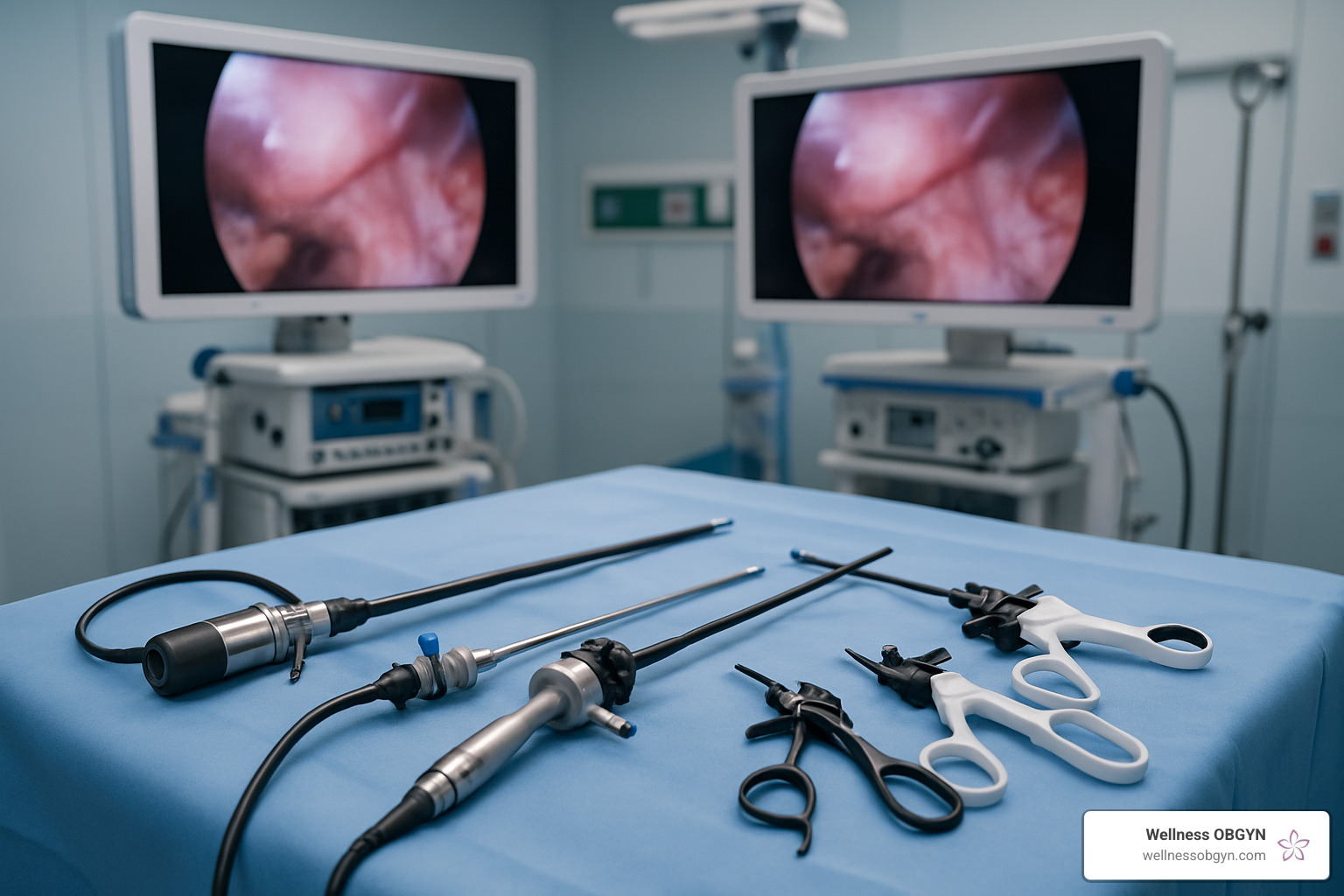
Robotic surgery is a significant advancement in modern surgical care, offering surgeons enhanced control during complex procedures. Robotic-assisted systems allow for precise movements and consistency by combining advanced technology with skilled surgical expertise. Here’s more information on how robotic surgery enhances precision in modern surgical care:
Improving Procedural Accuracy
The primary benefit of robotic surgery is the high degree of control it affords the physician. Here’s how this technology assists the surgical team:
- Tremor Filtration: Even the steadiest human hands have tiny tremors, but the robotic system filters these out completely.
- Motion Scaling: Scaling allows for delicate work on tiny structures, especially when working near sensitive nerves or blood vessels.
- Wristed Instruments: The instruments function like a human wrist but with a greater range of motion.
These features combine to provide a level of accuracy that is hard to match with hand-held tools. The surgeon controls the arms, and the machine makes the movements smooth.
Enhancing Surgical Visualization
Clear visualization of the surgical site is fundamental to a successful outcome. In traditional open surgery, the doctor looks down at the incision. Robotic surgery solves these visibility issues with advanced cameras. The system includes a high-definition 3D camera that is inserted into the body. This camera transmits a magnified image to the console on which the surgeon sits. The doctor sees a highly detailed view of the anatomy, which helps the surgeon avoid accidental damage to nearby organs.
Reducing Tissue Impact
Traditional surgery often requires large incisions to expose the target area, which can damage muscle and skin. Robot-assisted surgery is a minimally invasive technique. It requires only a few small incisions, often just the size of a pea, to insert the camera and instruments.
The slender robotic arms are inserted into the body through these small openings. They move without exerting heavy pressure on the skin or the muscle nearby, keeping the surrounding area safe from harm. Less tissue damage results in less postoperative inflammation. The body does not have to work as hard to heal large wounds, and the risk of infection lowers because the incisions are small. Patients also often have less scarring because of the small openings.
Achieving Faster Recovery
The combination of precision, visualization, and small incisions leads to better results for the patient. The body experiences less trauma during surgery, facilitating faster healing. Here’s how robotic surgery makes this a reality:
- Reduced Pain: Some patients only need over-the-counter medication instead of strong prescription painkillers.
- Less Blood Loss: The precise movements and clear vision help the surgeon control bleeding.
- Shorter Hospital Stays: Due to the small incisions, many patients can go home sooner, and some procedures allow the patient to leave the hospital on the same day.
- Faster Return to Activity: Individuals can return to their daily lives quickly.
These benefits make the surgical experience easier for the patient and their family.
Schedule Your Robotic Surgery Appointment
Robotic surgery offers numerous benefits over traditional surgical methods, including enhanced precision, reduced pain, and minimal scarring. Patients benefit from shorter hospital stays, faster recovery times, and a quicker return to normal activities. Contact a trusted surgical practice near you to schedule your appointment today and determine if robotic surgery is the right option for you.
- Finding the Right Mental Health Counseling and Therapy
- Planning Chiropractic Visits Around Pain, Recovery, and Daily Life
- When Should You Speak to a Casselberry Car Accident Lawyer?
- How Corporate Lawyers Help Companies Manage Risk and Compliance
- Ken Raymie: Why a Healthy Work-Life Balance Matters for Today’s Workforce