

Understanding Mental Health Counseling and Its Scope

Our mental and emotional well-being is as crucial as our physical health. Yet, navigating life’s challenges can often feel overwhelming, leaving us seeking support and understanding. Mental health counseling provides a professional, confidential space where individuals can explore their thoughts, feelings, and behaviors. It empowers them to develop resilience, gain insights, and acquire practical tools for a more fulfilling life.
Whether you’re dealing with stress, anxiety, grief, or simply seeking personal growth, understanding available private mental health services is the first step towards getting the support you deserve.
In this extensive guide, we will clarify what mental health counseling entails, differentiate it from other mental health professions, and outline the core principles that shape this vital field. We will also cover common therapeutic approaches, issues addressed, and provide practical advice on how to find a qualified counselor who is right for you.
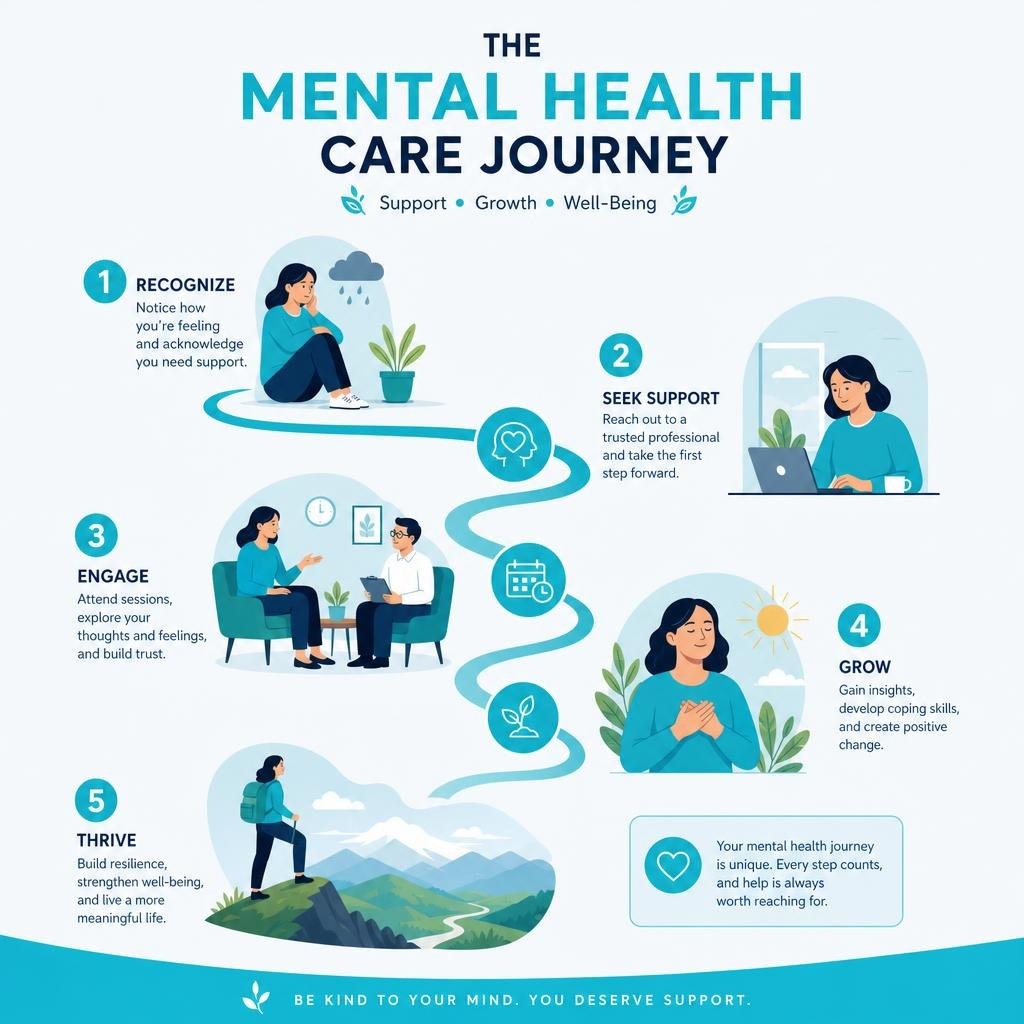
Mental health counseling is a healthcare service dedicated to helping individuals reflect, express themselves, and discover personal insights, boundaries, and solutions to real-life problems. It encompasses a holistic approach, focusing not just on alleviating symptoms but also on promoting overall well-being and preventive wellness. Counselors work with clients to address a wide array of concerns, from relationship issues and stress management to navigating life transitions and fostering personal growth. The goal is to empower clients to achieve optimum mental and emotional health, emphasizing prevention and building coping mechanisms for future challenges.
How Mental Health Counseling Differs from Psychiatry and Psychology
While all three professions—mental health counseling, psychiatry, and psychology—aim to support mental well-being, they operate with distinct educational backgrounds, scopes of practice, and therapeutic approaches. Understanding these differences is crucial for anyone seeking appropriate mental health support.
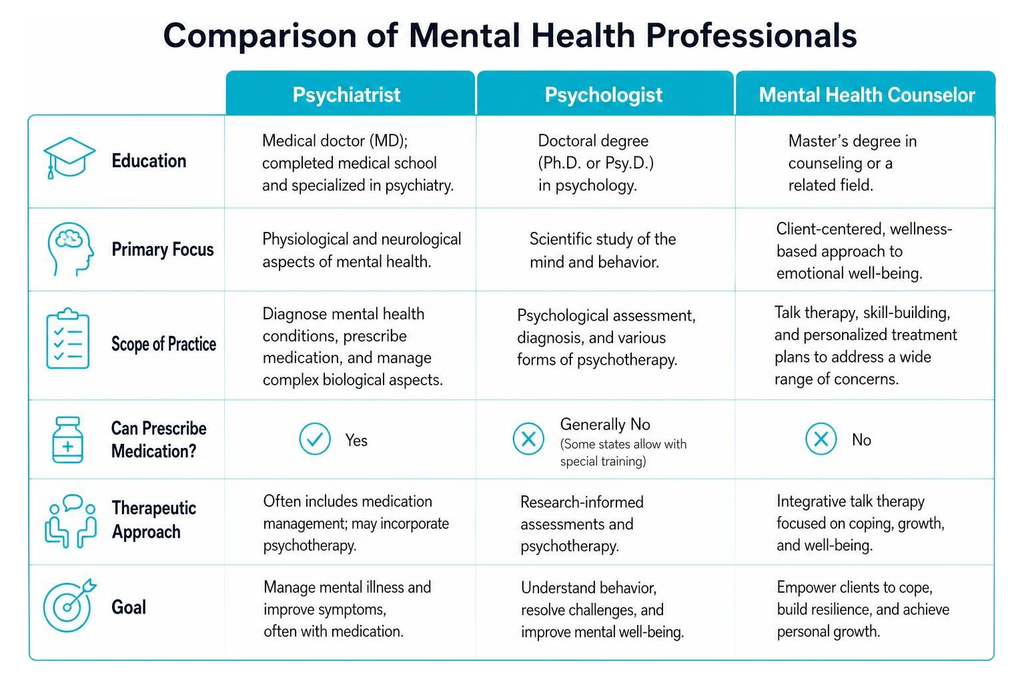
Psychiatrists are medical doctors (MDs) who have completed medical school and specialized in psychiatry. Their medical training allows them to diagnose mental health conditions, prescribe medication, and manage complex biological aspects of mental illness. They often focus on the physiological and neurological components of mental health, sometimes incorporating psychotherapy into their practice, but their primary role often involves medication management.
Psychologists typically hold a doctoral degree (Ph.D. or Psy.D.) in psychology. Their extensive training focuses on the scientific study of the mind and behavior. Psychologists are skilled in psychological assessment, diagnosis, and providing various forms of psychotherapy. Unlike psychiatrists, they generally cannot prescribe medication, though some states grant prescriptive authority to specially trained psychologists. Their work often involves in-depth research, testing, and talk therapy.
Mental health counselors generally hold a master’s degree in counseling or a related field. Their training emphasizes a client-centered, wellness-based approach to therapy. Counselors focus on empowering individuals to cope with emotional, mental, and behavioral issues through talk therapy, skill-building, and developing personalized treatment plans. They are trained to address a broad spectrum of concerns, from daily stressors and relationship challenges to more severe mental health conditions. Crucially, mental health counselors cannot prescribe medication. Their approach is often integrative, drawing from various therapeutic modalities to suit individual client needs.
Here’s a simplified comparison:
Key Principles Driving Professional Counseling
Professional mental health counseling is built upon a foundation of core principles that ensure ethical, effective, and client-centered care. These principles guide counselors in their interactions and therapeutic strategies:
- Empathy: Counselors strive to understand and share the feelings of their clients, creating a supportive and non-judgmental environment. This deep understanding helps build trust and rapport, essential for effective therapy.
- Active Listening: Beyond simply hearing words, active listening involves fully concentrating on, understanding, responding to, and remembering what the client is saying, both verbally and non-verbally. This demonstrates respect and helps the counselor grasp the client’s perspective thoroughly.
- Confidentiality: A cornerstone of counseling, confidentiality ensures that all discussions and client information remain private and protected. This fosters a safe space where clients feel comfortable sharing their deepest thoughts and vulnerabilities, with specific legal and ethical limits explained upfront.
- Client Empowerment: The counseling process is designed to empower clients to take an active role in their healing journey. Counselors facilitate self-discovery and skill development, enabling clients to make informed decisions and implement positive changes in their lives.
- Ethical Codes: Professional organizations like the American Counseling Association (ACA) establish strict codes of ethics that all licensed counselors must adhere to. These codes govern professional conduct, client welfare, and boundaries, ensuring high standards of practice.
- Cultural Competence: Effective counseling acknowledges and respects the diverse cultural backgrounds, values, and beliefs of clients. Counselors strive to provide culturally sensitive care, tailoring their approaches to honor each individual’s unique identity and experiences.
These principles collectively create a therapeutic alliance where clients feel understood, respected, and supported in their journey toward mental and emotional well-being.
Core Modalities and Issues Addressed in Therapy
Mental health counseling utilizes a variety of evidence-based approaches to help individuals develop effective coping strategies, improve emotional regulation, and foster self-care practices. The selection of a particular modality often depends on the client’s specific needs, the nature of the issues being addressed, and the counselor’s expertise. Accessing compassionate mental healthcare means finding a therapist who is skilled in tailoring these approaches to your unique situation.
Common Psychotherapeutic Approaches
Therapists employ a diverse toolkit of psychotherapeutic techniques, each designed to address different aspects of mental health and well-being:
- Cognitive Behavioral Therapy (CBT):This widely used approach helps clients identify and challenge negative or unhelpful thought patterns and behaviors. By understanding how thoughts, feelings, and actions are interconnected, individuals learn to replace maladaptive responses with healthier ones.
- Dialectical Behavior Therapy (DBT):Often used for individuals with intense emotional dysregulation, DBT combines cognitive-behavioral techniques with mindfulness, distress tolerance, emotion regulation, and interpersonal effectiveness skills.
- Eye Movement Desensitization and Reprocessing (EMDR): An integrative psychotherapy approach, EMDR is primarily used to treat trauma and PTSD. It involves guided eye movements or other bilateral stimulation to help process distressing memories and reduce their emotional impact.
- Somatic Therapy: This approach focuses on the connection between the mind and body, using body-centered techniques to release trauma and emotional stress stored in the body. It helps individuals become more aware of their physical sensations and how they relate to their emotional states.
- Humanistic Approaches (e.g., Person-Centered Therapy): These therapies emphasize the client’s innate capacity for self-healing and personal growth. The counselor provides a supportive, empathetic, and non-directive environment, allowing the client to explore their feelings and discover their own solutions.
- Psychoeducation: An integral part of many therapies, psychoeducation involves teaching clients about their mental health conditions, treatment options, and coping strategies. This empowers clients with knowledge and understanding, helping them to actively participate in their recovery.

Conditions and Life Challenges Addressed
Mental health counseling addresses a broad spectrum of conditions and life challenges that can impact an individual’s well-being. Counselors are equipped to support clients through various difficulties, including:
- Anxiety Disorders: Generalized anxiety, social anxiety, panic disorder, and phobias.
- Depression: Major depressive disorder, persistent depressive disorder, and situational depression.
- Trauma Recovery: Post-Traumatic Stress Disorder (PTSD), complex trauma, and acute stress reactions.
- Grief Management: Coping with loss, bereavement, and navigating the grieving process.
- Life Transitions: Adjusting to major life changes such as career shifts, divorce, relocation, or retirement.
- Stress Management: Developing strategies to handle chronic stress, burnout, and daily pressures.
- Relationship Issues: Improving communication, resolving conflicts, and fostering healthier interpersonal dynamics.
- Substance Use Disorders: Providing support for addiction recovery and relapse prevention.
- Mood Disorders: Bipolar disorder and other conditions characterized by significant mood swings.
- Eating Disorders: Supporting individuals in developing healthier relationships with food and body image.
- Obsessive-Compulsive Disorder (OCD): Managing intrusive thoughts and compulsive behaviors.
- ADHD: Developing coping strategies for attention, hyperactivity, and impulsivity challenges.
Here is a list of common emotional and behavioral challenges addressed in therapy:
- Feeling overwhelmed or persistently sad
- Difficulty managing anger or irritability
- Experiencing significant changes in sleep or appetite
- Struggling with self-esteem or self-worth
- Having trouble concentrating or making decisions
- Engaging in self-harm or suicidal thoughts (requiring immediate crisis intervention)
- Coping with chronic illness or pain
- Navigating family conflicts or parenting challenges
- Dealing with workplace stress or career dissatisfaction
- Adjusting to cultural or social changes
- Seeking personal growth and self-improvement
Counselors provide a safe and confidential space for clients to explore these issues, develop coping mechanisms, and work towards a more fulfilling life.
Qualifications, Career Outlook, and Finding Quality Care
The mental health counseling profession is characterized by rigorous educational pathways, extensive clinical supervision, and strict state licensure requirements, all designed to ensure competent and ethical practice. As the demand for mental health support continues to rise, the job outlook for counselors remains strong, reflecting a growing societal recognition of the importance of emotional well-being. Finding the right therapist involves understanding these professional standards and knowing how to navigate the available options.
Educational Pathways and Licensure for Mental Health Counseling
To become a licensed mental health counselor, individuals typically undertake a multi-step process:
- Bachelor’s Degree: The journey begins with a bachelor’s degree, often in psychology, social work, or a related social science field. While not always strictly required to enter a master’s program, relevant undergraduate coursework provides a strong foundation.
- Master’s Degree: The most critical educational requirement is a master’s degree in counseling or a closely related field, such as clinical mental health counseling. These programs are typically 60 credits and include core subjects like ethics, research methods, counseling techniques, and human development. Many states and professional bodies, such as the American Counseling Association (ACA), recommend or require programs accredited by the Council for Accreditation of Counseling and Related Educational Programs (CACREP).
- Supervised Clinical Experience:After completing their master’s degree, aspiring counselors must accrue a significant number of supervised clinical hours. This typically involves at least 3,000 hours of post-master’s supervised practice, with a substantial portion (often 2,000 or more hours) dedicated to direct client contact. This supervised experience ensures practical skill development under the guidance of an experienced, licensed professional.
- Licensing Examinations: Candidates must pass national and/or state-specific licensing examinations. Common national exams include the National Counselor Examination (NCE) and the National Clinical Mental Health Counseling Examination (NCMHCE). Passing these exams, along with any state-specific jurisprudence exams, is essential for obtaining credentials such as Licensed Professional Counselor (LPC) or Licensed Mental Health Counselor (LMHC).
- Continuing Education: To maintain licensure, counselors are required to complete ongoing continuing education credits, ensuring they stay current with clinical developments, best practices, and ethical guidelines in the field.
This comprehensive training ensures that licensed mental health counselors are well-prepared to provide high-quality care.
Workplace Settings and Occupational Growth
Mental health counselors work in a diverse array of settings, reflecting the broad need for their services across communities. Common workplaces include:
- Outpatient Centers: Providing individual, group, and family therapy in community-based clinics.
- Private Practice: Offering independent counseling services, often specializing in specific areas.
- Hospitals: Working in psychiatric units, emergency departments, or integrated health systems.
- Community Mental Health Agencies:Serving underserved populations and providing crisis intervention.
- Residential Treatment Centers:Supporting individuals in structured living environments for intensive therapy.
- Schools and Universities: Offering counseling services to students for academic, social, and emotional challenges.
- Employee Assistance Programs (EAPs): Providing short-term counseling and referrals for workplace-related issues.
- Substance Abuse Treatment Programs: Specializing in recovery and prevention for individuals with addiction.
The job outlook for mental health counselors is exceptionally strong. As of August 2026, employment of substance abuse, behavioral disorder, and mental health counselors is projected to grow 17 percent from 2024 to 2034, which is much faster than the average for all occupations. This translates to approximately 48,300 openings for these counselors projected each year, on average, over the decade. The median annual wage for mental health counselors was $59,190 in May 2024, with median wages reaching $59,350 annually ($28.53 hourly) in 2025. This robust growth is driven by increased public awareness of mental health issues, greater access to healthcare, and a push for integrated care models.
Connecting with the Right Provider
Finding the right mental health counselor is a deeply personal process, and a strong therapeutic alliance is paramount for successful outcomes. Here are steps to help you connect with a suitable provider:
- Identify Your Needs: Before searching, reflect on what you hope to achieve through counseling. Are you dealing with anxiety, grief, relationship issues, or seeking personal growth? This clarity can help narrow your search.
- Utilize Directories and Referrals:Online provider directories from professional organizations (like the ACA), insurance companies, and reputable mental health platforms are excellent starting points. Your primary care physician can also offer referrals. For those seeking private mental health services, direct searches for local practices can be very effective.
- Consider Telehealth Options:Telehealth and online therapy have expanded access to care, removing geographical barriers and offering flexibility. Many counselors now offer virtual sessions, making it easier to fit therapy into busy schedules.
- Initial Screening Calls: Many therapists offer a brief, free 15-minute screening call. This is an invaluable opportunity to discuss your preferences, ask about their therapeutic approach, experience with your specific concerns, fees, and insurance acceptance. It also allows you to gauge rapport.
- Ask Key Questions: During an initial consultation, don’t hesitate to ask about their credentials, experience, the therapeutic approaches they use (e.g., CBT, DBT), how they assess progress, and their policies on confidentiality.
- Evaluate the Therapeutic Alliance:The connection you feel with your counselor is crucial. If the initial fit doesn’t feel right, it’s perfectly acceptable to seek a different provider. A good therapist will understand and support your need to find the best match for your journey.
- Understand Costs and Insurance:Inquire about fees, sliding scale options (if applicable), and whether they accept your health insurance plan. Many private practices accept major insurance, making care more affordable.

Taking these steps can significantly improve your chances of finding a mental health counselor who can effectively support your journey toward improved well-being.
Frequently Asked Questions About Counseling
Embarking on a mental health counseling journey often comes with questions. Here, we address some common inquiries to provide clarity and guide you through the process.
How long does mental health counseling usually last?
The duration of mental health counseling is highly individualized and depends on various factors, including the nature of the concerns, the client’s goals, and the therapeutic approach used. Some individuals may benefit from short-term counseling, lasting a few weeks to several months, to address specific issues or navigate a temporary crisis. Others might engage in longer-term therapy, spanning a year or more, to explore deeper-rooted issues, address chronic conditions, or pursue ongoing personal growth.
During the initial appointments, you and your counselor will discuss your treatment goals and develop a personalized care plan, which may include an estimated timeline. Progress is often evaluated periodically, allowing for adjustments to the plan as needed. The ultimate goal is to equip you with the tools and insights to manage challenges independently, leading to a natural conclusion of therapy when you feel ready.
What happens during the initial therapy appointment?
The initial therapy appointment, often called an intake session, is a foundational step in the counseling process. It typically involves:
- Paperwork and Confidentiality:You’ll likely complete intake forms, which cover personal history, mental health background, and consent for treatment. The counselor will also review their confidentiality policy, including its limits (e.g., duty to warn in cases of harm to self or others).
- Personal Background: The counselor will ask questions to gather a comprehensive understanding of your history, including family background, significant life events, relationships, career, and any previous mental health treatment.
- Current Concerns and Symptoms:You’ll have the opportunity to articulate what brings you to therapy, describing your current challenges, symptoms, and how they impact your daily life.
- Treatment Goals: Collaboratively, you and your counselor will begin to identify your treatment goals. What do you hope to achieve through counseling? These goals will help shape the direction of your therapy.
- Therapeutic Approach: The counselor may briefly explain their therapeutic approach and how they plan to work with you. This is also a good time for you to ask any questions you have about their methods.
- Rapport Building: Beyond the information gathering, the initial session is crucial for establishing rapport and trust. It’s an opportunity for both you and the counselor to assess if it feels like a good fit.
This first session sets the stage for your therapeutic journey, creating a shared understanding and a roadmap for future sessions.
Can mental health counselors prescribe medication?
No, mental health counselors cannot prescribe medication. Their training and licensure focus on psychotherapy and non-pharmacological interventions. The ability to prescribe medication is restricted to medical doctors, specifically psychiatrists, or in some cases, psychiatric nurse practitioners.
If, during the course of counseling, a mental health counselor believes that medication might be beneficial for a client’s condition, they will typically recommend a consultation with a psychiatrist or the client’s primary care physician. Counselors often collaborate with these medical professionals to ensure comprehensive care, integrating talk therapy with medication management when appropriate. This collaborative approach ensures that clients receive holistic support for both their psychological and biological needs.
Conclusion
Navigating the complexities of emotional health is a journey that many undertake, and mental health counseling stands as a vital resource in fostering personal resilience and holistic well-being. From understanding the nuanced differences between counselors, psychologists, and psychiatrists to exploring the diverse therapeutic modalities available, we hope this guide has illuminated the path to seeking support.
Whether you’re grappling with specific mental health conditions or simply striving for greater self-awareness and personal growth, a qualified mental health counselor can provide the insights, tools, and confidential space you need. The commitment to rigorous education, ethical practice, and a client-centered approach ensures that professional counseling remains a powerful pathway to a more fulfilling and emotionally healthy life. Taking that first step towards seeking support is a testament to your strength and dedication to your overall well-being.
- Finding the Right Mental Health Counseling and Therapy
- Planning Chiropractic Visits Around Pain, Recovery, and Daily Life
- When Should You Speak to a Casselberry Car Accident Lawyer?
- How Corporate Lawyers Help Companies Manage Risk and Compliance
- Ken Raymie: Why a Healthy Work-Life Balance Matters for Today’s Workforce