

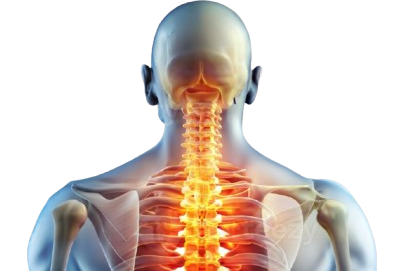
Neuropathic pain is particularly difficult to manage because it originates from damage to the nervous system itself. Modern medical technology offers new solutions for this complex condition, and patients have more options than ever before. One such solution is spinal cord stimulation, which provides an alternative when traditional medications fall short. Managing neuropathic pain can involve various strategies depending on its severity and duration. Because each person’s condition presents unique challenges, medical professionals often weigh multiple treatment pathways. Some patients improve quickly, but others need ongoing adjustments. Care plans are then personalized for the best possible outcome.
Understanding Spinal Cord Stimulation
The nervous system functions like an electrical grid. Signals travel from the body to the brain, but sometimes they become erratic or persistent due to injury or disease. A spinal cord stimulator intervenes in by delivering mild electrical pulses that mask or modify the pain signals. This device consists of thin wires near the spinal cord and a small, implanted generator. This allows the patient to control the level of stimulation with a small handheld device. The goal is not necessarily to cure the underlying condition, but the technology aims to reduce the pain to a manageable level so that daily activities become possible again. Patients frequently undergo a trial period first to assess the device’s effectiveness before full implantation. Adjustments can be made to tailor the stimulation to the individual’s pain pattern and lifestyle.
Spinal Cord Versus Peripheral Nerve
Different types of pain require different approaches. While spinal cord stimulation targets the main pathway in the spine, peripheral nerve stimulation (PNS) focuses on specific nerves located outside of the brain and spinal cord. PNS involves placing a small lead directly next to the peripheral nerve causing the pain, and delivering rapid electrical pulses that help the brain ignore the pain signals from that area.
Some patients may respond better to PNS if their pain is localized to a specific region, such as the foot or knee, whereas spinal cord stimulation is generally used for broader pain patterns, such as those affecting the back or legs. Physicians evaluate the specific nerve damage to determine which device offers the most appropriate mechanism of action for the individual. These evaluations may include diagnostic tests, or rely on patient feedback to measure how well the device’s effectiveness. By comparing patient responses, clinicians can refine their recommendations and maximize comfort.
A Comprehensive Approach
Technology is only one part of pain management. Physical symptoms often interact with mental well-being, so a successful treatment plan usually incorporates Behavioral Health services to address the psychological impact of living with chronic pain. Patients learn coping strategies that help them manage stress and anxiety. These can otherwise amplify the perception of pain and reduce the effectiveness of medical interventions.
A spinal cord stimulator may reduce the physical sensation of pain, but behavioral therapy helps the patient has the mental resilience to return to a full and active life. This multidisciplinary approach recognizes that pain is a complex experience, and treating the whole person often yields better long-term outcomes than focusing solely on physical symptoms. Support from mental health professionals also helps individuals sustain lifestyle changes and adapt to evolving health needs.
Schedule Relief Today
Neuropathic pain does not have to control your life. You may be a candidate for advanced therapies like a spinal cord stimulator or peripheral nerve stimulation, but the first step is always a thorough evaluation by a qualified specialist. Relief is possible, so do not wait to explore the options available to help you manage your condition effectively. Your team will guide you through each stage of the process, from initial assessment to ongoing care. Taking action can open the door to improved function and quality of life.
- Ensuring Flawless Audio with Professional Event DJ Services
- 6 Best AI Recruiting Platforms And Applicant Tracking Systems
- 6 Best Walk-In Tub Installers In Sacramento And The Bay Area
- Understanding the Benefits of Hormone Optimization Therapy
- Fort Lauderdale, Florida Property Cleanout Guide: How to Plan a Smooth Clear-Out