

Hip replacement surgery is a procedure in which a surgeon removes damaged sections of the hip joint and replaces them with artificial parts. This surgery aims to address pain and mobility issues stemming from hip damage. Following the procedure, a structured rehabilitation process begins to help you recover and adapt to your new hip joint. Here is more information about the rehabilitation process for hip replacement patients:
Hospital Stay
After surgery, you typically spend a few days in the hospital, and the medical team will monitor your initial recovery. You will receive instructions on how to care for your new hip. Your hospital stay depends on whether your procedure is outpatient or more complex, and this timeline varies based on individual progress.
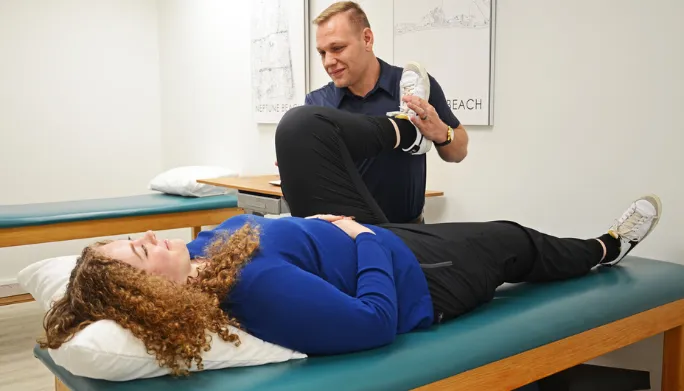
A physical therapist can help you start moving soon after the operation. When you’re ready, you may learn specific exercises to strengthen your hip muscles. These initial movements are fundamental for recovery, so you must follow the therapist’s guidance carefully.
Wound Care
Proper care of your surgical incision is necessary for healing. The area will be covered with a dressing, which you need to keep clean and dry. Your medical team provides specific instructions on how to manage the wound at home, including when you might change the dressing. While you heal, you must avoid soaking the wound in water.
Pain Management Strategies
Managing discomfort is a key part of the recovery journey. Your doctor will prescribe medication to help control postoperative pain, and it is beneficial to take it as directed. It is normal to experience some pain after hip replacement surgery, but it can be controlled. As you heal, your reliance on pain medication typically decreases, so you will discuss a tapering plan with your healthcare provider.
Non-medication approaches also assist with pain control, and these methods can complement your prescribed medication plan. When you need it, simple techniques provide comfort and help reduce swelling. Some useful strategies include:
- Applying ice packs to the hip area for short periods.
- Elevating your leg when you are resting.
- Using pillows for comfortable positioning.
Activity Return
Gradually reintroducing activities into your daily routine is a measured process. To build strength and improve flexibility, a physical therapist can guide you through exercises that you can perform. You start with simple movements, and you will progress to more complex actions as your hip heals. Adherence to the prescribed exercise regimen supports your return to normal function.
You may have some restrictions on movement immediately after surgery. In some cases, you may be told to avoid bending your hip beyond a certain angle or crossing your legs. These precautions protect the new joint while it integrates with your body. Over time, as your hip strengthens, these limitations will be lifted.
At nighttime, you may feel some discomfort, but this typically lessens over the first few weeks. Communicating with your doctor about your pain levels allows them to adjust your management plan if needed. Pain is a personal experience, and finding the right combination of strategies works best.
Schedule Hip Replacement Surgery
The rehabilitation journey after hip replacement surgery involves several coordinated steps. From the initial hospital stay to the gradual return to daily activities, each phase has a specific purpose. Following the guidance from your medical team on wound care, pain management, and physical therapy will support your recovery. If you are ready to learn more about this procedure, contact an orthopedic clinic to schedule a consultation.
- 6 Bathroom Renovation Resources Spokane Homeowners Can Use for Safer, Easier-Care Spaces
- How R&D Center Helps People Find Personalized Drug Treatment in Philadelphia, Pennsylvania
- How Play Builds School Readiness for Preschoolers in Greensboro, North Carolina
- How to Choose the Right Way to Sell a House in Fayetteville, North Carolina
- Navigating Mental Health Resources and Therapy Options