

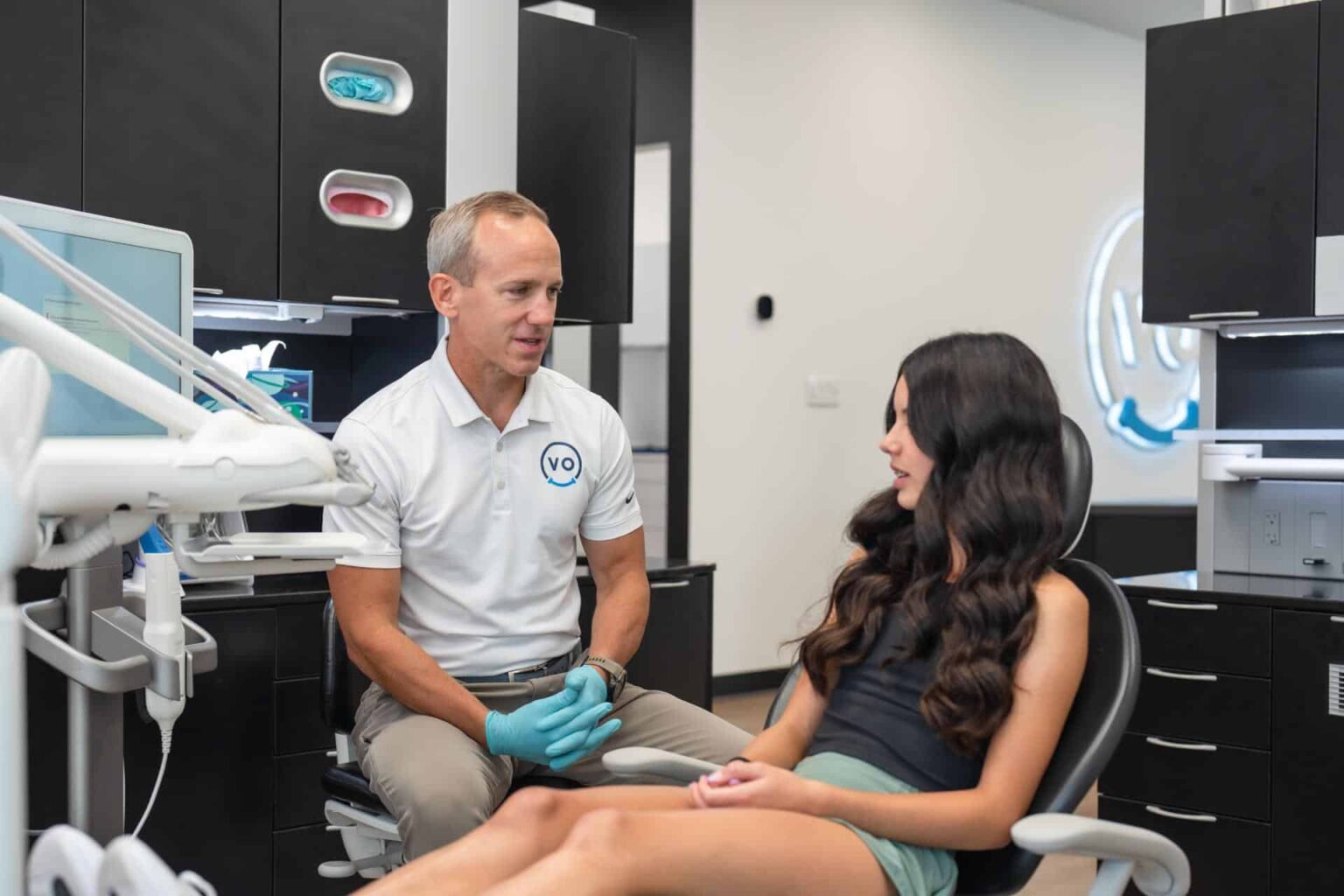
Seeing a specialist for the first time often brings up many questions about the process and what lies ahead. Immunologists specialize in the immune system and help manage conditions ranging from allergies and asthma to primary immunodeficiency disorders. Your initial appointment focuses on gathering information to build a clear picture of your health history. The doctor will work to identify patterns in your symptoms and determine if specific triggers affect your daily life.
Which Symptoms Are Reviewed?
Appointments typically begin with a detailed discussion of your medical history and current concerns. The doctor needs to understand exactly what you experience to narrow down potential causes. You will answer questions about the frequency, duration, and severity of your reactions. This conversation helps immunologists decide which tests will offer the most value for your specific situation.
Be prepared to discuss:
- Skin rashes or hives
- Digestive issues like cramping or nausea
- Respiratory problems, including wheezing or coughing
- Frequent infections requiring antibiotics
- Seasonal reactions like sneezing or itchy eyes
The provider will also ask about your family history and environmental factors at home or work. These details provide context that might not appear in a standard physical exam. Clear communication about your lifestyle helps the team create an accurate health profile.
How Is Testing Conducted?
Once the initial review is complete, the specialist often moves on to diagnostic testing. These procedures help pinpoint specific allergens or immune system irregularities. Skin tests are common because they provide immediate feedback, while blood tests offer a broader look at immune markers. The choice of test depends on your symptoms and the condition the doctor suspects.
Common testing methods include:
- Skin Prick Test: A tiny amount of an allergen is scratched into the skin to check for a reaction.
- Intradermal Test: A small amount of allergen is injected just under the skin for more sensitivity.
- Blood Test: A sample is drawn to measure specific antibodies in your system.
- Spirometry: A breathing test measures lung function if asthma is a concern.
The staff will explain each step before they begin so you know what to anticipate. Some tests cause mild discomfort, such as itching or a small pinch, but the discomfort usually fades quickly. You might need to wait in the office for a short period after testing to confirm no delayed reactions occur.
When Are Results Discussed?
Timing for results varies based on the type of testing performed during your visit. Skin tests usually show results within 20 minutes, allowing the doctor to discuss findings immediately. You can often leave the office with a preliminary plan based on these quick indicators. Blood work takes longer to process, often requiring a few days or a week before the data is ready for review.
If your tests require lab analysis, the office will contact you once the report is finalized. Sometimes a follow-up appointment is necessary to go over complex results or to start a treatment regimen. This second conversation allows you to ask questions about the findings and understand the next steps for managing your health.
Visit Immunologists
Understanding your immune system is the first step toward feeling better and managing chronic symptoms effectively. Immunologists use their expertise to guide you through diagnosis and treatment planning. By preparing for your visit and knowing what to expect, you take an active role in your healthcare. Reach out to a local specialist to schedule your consultation and begin the path toward relief.
- 6 Bathroom Renovation Resources Spokane Homeowners Can Use for Safer, Easier-Care Spaces
- How R&D Center Helps People Find Personalized Drug Treatment in Philadelphia, Pennsylvania
- How Play Builds School Readiness for Preschoolers in Greensboro, North Carolina
- How to Choose the Right Way to Sell a House in Fayetteville, North Carolina
- Navigating Mental Health Resources and Therapy Options