

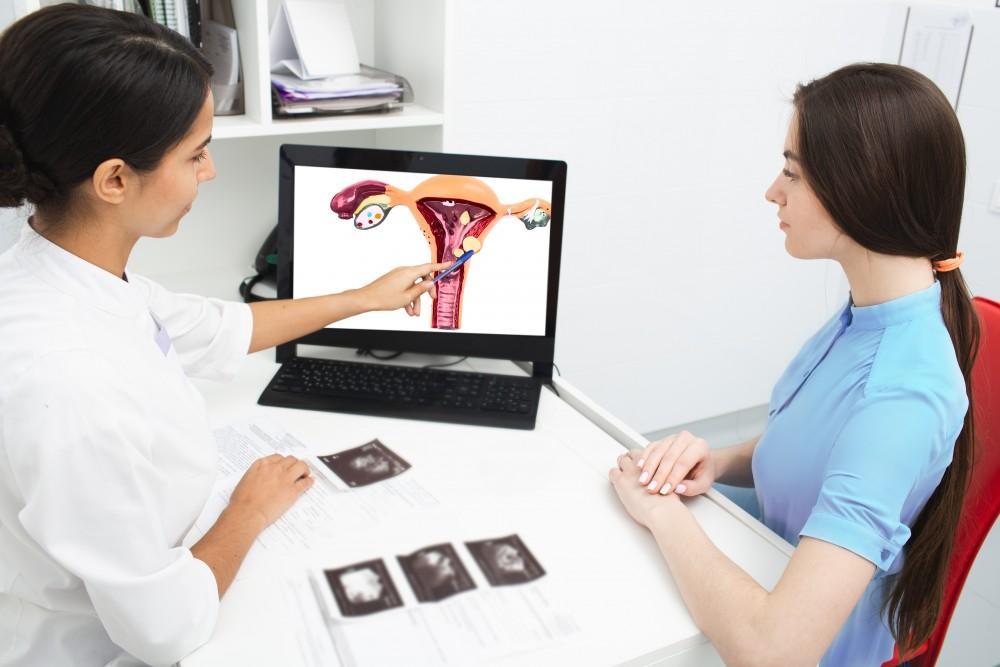
Endometriosis is a condition where tissue similar to the lining inside the uterus, known as the endometrium, grows outside it. This misplaced tissue is commonly found on the ovaries, fallopian tubes, and the tissue lining the pelvis. It thickens, breaks down, and bleeds with each menstrual cycle, but because this tissue has no way to exit the body, it becomes trapped. Endometriosis leads to inflammation and scarring, which may affect a person’s reproductive health. Here’s information on this reproductive condition and how it impacts fertility:
How Is Endometriosis Diagnosed?
Diagnosing endometriosis involves a comprehensive evaluation by a healthcare provider. This process begins with a discussion of your symptoms followed by a physical examination, which may include a pelvic exam. While symptoms may point toward a reproductive condition, a definitive diagnosis requires a more detailed investigation.
Endometriosis occurs when endometrial-like tissue grows in areas where it does not belong. This tissue behaves like the uterine lining, responding to hormonal changes during the menstrual cycle. The resulting internal bleeding and inflammation irritate surrounding tissues, leading to the development of scar tissue and adhesions. Adhesions are abnormal bands of fibrous tissue that can cause pelvic organs to stick together.
Individuals with endometriosis may experience a range of symptoms, though some people have no noticeable signs. Note that the severity of your symptoms does not always correlate with the extent of the condition. Some common symptoms include:
- Painful Periods (Dysmenorrhea)
- Pain During Intercourse
- Chronic Pelvic Pain
Other signs can include discomfort with bowel movements or urination, particularly during menstruation, and heavy menstrual bleeding.
How Does This Condition Impact Fertility?
Endometriosis can affect fertility in several ways. The inflammation and scarring caused by the condition commonly obstruct the fallopian tubes, preventing the egg and sperm from meeting. For some individuals, their adhesions distort the anatomy of their pelvic organs, and ovarian cysts (or endometriomas) may interfere with ovulation. The inflammatory environment within the pelvis may also negatively affect egg quality, sperm function, and embryo implantation. Because of these factors, individuals with endometriosis may find it more challenging to conceive.
How Can a Specialist Help?
Consulting with a specialist, like an OBGYN, is a proactive step for those with endometriosis who are concerned about their fertility. These medical professionals have specialized knowledge and can provide a tailored approach to diagnosis and management, and they can offer guidance based on your specific circumstances. A specialist helps you understand your situation and explore the potential paths forward.
Specialized Diagnostic Tools
While a healthcare provider might suspect endometriosis based on your symptoms, a specialist can use advanced imaging tests like a transvaginal ultrasound or magnetic resonance imaging (MRI) to look for signs of the condition. The most definitive method for diagnosing and assessing the severity of endometriosis is a minimally invasive surgical procedure called laparoscopy. During this procedure, a surgeon can directly visualize and, if necessary, biopsy the growths.
Treatment Options and Support
A specialist discusses various treatment options depending on your goals, symptoms, and the extent of your condition. Management strategies range from medical therapies to surgical interventions to remove endometrial growths. If you are seeking to become pregnant, a specialist can review fertility treatment options and provide comprehensive support throughout the process.
Learn About Your Fertility
Understanding how endometriosis affects fertility is a fundamental part of managing your reproductive health, and a specialist can evaluate you and create a personalized plan. If you have been diagnosed with endometriosis or are experiencing odd symptoms, contact a gynecological specialist for a consultation. Working with a specialist helps you better understand your fertility and which options are best suited for your needs.
- 6 Bathroom Renovation Resources Spokane Homeowners Can Use for Safer, Easier-Care Spaces
- How R&D Center Helps People Find Personalized Drug Treatment in Philadelphia, Pennsylvania
- How Play Builds School Readiness for Preschoolers in Greensboro, North Carolina
- How to Choose the Right Way to Sell a House in Fayetteville, North Carolina
- Navigating Mental Health Resources and Therapy Options