

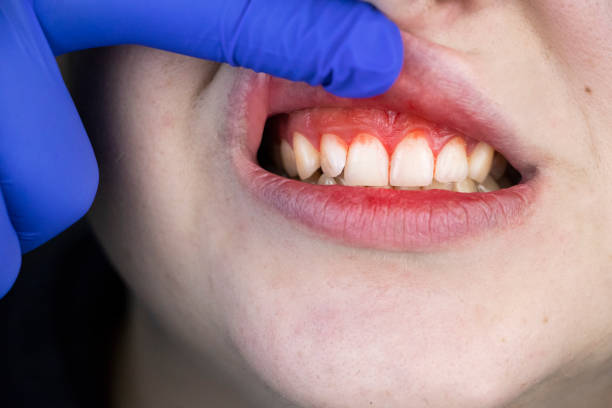
Gum disease, also known as periodontal disease, is an infection of the tissues that hold your teeth in place. It typically occurs due to poor brushing and flossing habits that allow plaque to build up and harden on the teeth. When left untreated, it may lead to sore, bleeding gums, pain, and even tooth loss. Understanding this condition is the first step toward protecting your oral health, and specialized periodontics treatments can help manage it.
Causes and Symptoms
The primary cause of gum disease is the buildup of plaque, a sticky film of bacteria that forms on the teeth. If plaque is not properly removed through regular brushing and flossing, it hardens into tartar. Tartar is a more stubborn substance that adheres to teeth, and it requires professional cleaning to remove. The bacteria present in both plaque and tartar release toxins that irritate the gums, leading to redness, swelling, and discomfort. This inflammation marks the initial stage of gum disease, commonly known as gingivitis, which, if left untreated, can progress to more severe dental issues.
Common symptoms of gingivitis include:
- Red, swollen, or tender gums
- Gums that bleed easily during brushing or flossing
- Persistent bad breath
Untreated gingivitis may progress to a more severe condition known as periodontitis. At this advanced stage, the inner layer of the gum tissue and the underlying bone begin to detach from the teeth, creating small pockets or gaps. These pockets become spaces where food particles, plaque, and other debris can accumulate; they provide a breeding ground for bacteria and lead to infection. Over time, this infection may worsen, further damaging the gums and surrounding structures that support the teeth.
Impacts and Risk Factors
If left untreated, the long-term impact of gum disease can be significant. As the disease progresses, the pockets deepen, and more gum tissue and bone are destroyed. This process may cause teeth to become loose, and without treatment, tooth loss may occur. The body’s immune system fights the bacteria as the plaque spreads and grows below the gum line. Several factors increase your risk of developing gum disease. Smoking is a major risk factor, because it can impair the gum tissue’s ability to heal. Other factors include hormonal changes in girls and women, diabetes, and certain medications that reduce saliva flow. A family history of dental disease may also contribute to your risk.
Prevention and Periodontics Treatments
Good oral hygiene is the most effective way to prevent gum disease. Brushing your teeth twice a day and flossing daily can remove plaque before it hardens. Regular dental visits are also recommended because a professional cleaning is the only way to remove tartar. For those with gum disease, a periodontist can provide specialized care. Periodontics treatments depend on the stage of the disease, and in the early stages, a professional cleaning and improved home care may be sufficient. For more advanced cases, a deep-cleaning procedure called scaling and root planing can remove tartar and bacteria below the gum line. This procedure smooths root surfaces, and it helps discourage further plaque buildup.
Ask a Dentist Today
Managing your oral health is a part of your overall well-being; if you are experiencing symptoms of gum disease or have concerns about your risk factors, seeking professional guidance is a supportive step. A dentist or periodontist can assess your situation, answer your questions, and recommend a personalized care plan. By working closely with a trusted dental professional, you can take the necessary steps to protect your oral health.
- Planning Chiropractic Visits Around Pain, Recovery, and Daily Life
- When Should You Speak to a Casselberry Car Accident Lawyer?
- How Corporate Lawyers Help Companies Manage Risk and Compliance
- Ken Raymie: Why a Healthy Work-Life Balance Matters for Today’s Workforce
- How to Buy Antique Furniture at Auction Without Overpaying