

Key Takeaways
- Consider Philadelphia’s weather, moisture, and freeze-thaw conditions when choosing siding.
- Compare siding materials based on durability, maintenance, appearance, and cost.
- Check for hidden moisture, rot, damaged sheathing, and failing flashing before installation.
- Proper weather barriers, flashing, drainage, and installation are essential to siding performance.
- Compare contractors using written estimates, warranties, experience, and installation practices.
- Inspect siding regularly and maintain gutters, downspouts, and nearby vegetation.
Philadelphia homes face a demanding mix of weather: humid summers, wind-driven rain, freezing winter temperatures, snow, and repeated seasonal temperature shifts. Choosing siding is not only about curb appeal. It is about selecting an exterior system that can protect the home while fitting its architecture, maintenance needs, and budget. Whether you own a brick-front rowhome, a Colonial in the suburbs, or a newer property in the Philadelphia area, working with a qualified James Hardie siding installer Philadelphia homeowners can consult may help clarify which materials and installation details suit the home’s condition. The best choice starts with an honest look at weather exposure and the wall behind the existing siding.
Start With the Weather
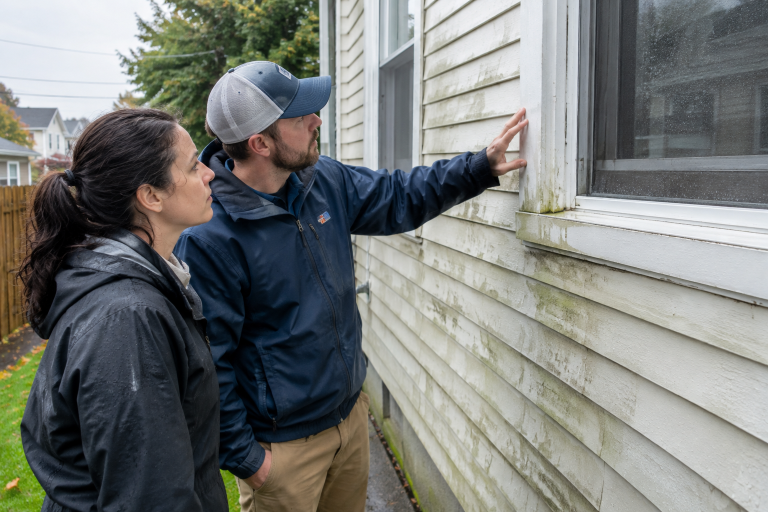
Local exposure should lead the decision. South- and west-facing walls may receive stronger sun, while shaded sides can stay damp longer after rain. Wind can push water toward laps, joints, windows, doors, and roof intersections. In winter, repeated freezing and thawing can stress materials, coatings, trim, fasteners, and sealant joints. Moisture is often the larger concern. Rainwater, overflowing gutters, splashback near the foundation, and humid conditions can expose weaknesses that are not obvious from the street. Walk around the house after a heavy rain and note where water collects, where plants press against the wall, and which elevations show stains or recurring growth.
Check for Warning Signs
A damaged board or panel does not automatically mean every wall needs replacement. Still, certain conditions warrant closer evaluation, particularly when they recur in the same area.
- Cracked, warped, loose, or buckled siding sections
- Open seams around windows, doors, corners, and utility penetrations
- Soft trim, peeling paint, dark stains, or visible rot
- Recurring mold, mildew, or algae on shaded walls
- Musty odors or water stains near exterior walls indoors
- Frequent repairs to the same trim board, corner, or window area
Do not assume fresh caulk or paint will solve hidden moisture damage. The priority is to identify why water is reaching the area, then repair the wall assembly before covering it again.
Compare Common Siding Materials
No siding material is automatically right for every Philadelphia property. Appearance, upkeep, impact exposure, wall condition, installation requirements, and long-term plans all matter.
Vinyl Siding
Vinyl is lightweight, available in many colors and profiles, and generally does not require painting. Its performance depends on correct fastening and room for normal movement as temperatures change. Homeowners should also consider impact-prone areas and choose colors appropriate for the product line and location.
Fiber Cement Siding
Fiber cement can provide a traditional lapboard or shingle-style appearance with a substantial finished look. It requires careful cutting, handling, fastening, clearance details, and adherence to the manufacturer’s installation instructions. It can be a strong option when the project calls for a durable cladding material and a detailed moisture-management plan.
Wood Siding
Wood offers natural character and can often be repaired in targeted sections. It also needs regular attention: sound paint or stain, sealed end cuts where required, clear drainage paths, and prompt correction of peeling finishes or soft areas.
Engineered Wood and Metal Siding
Engineered wood and metal products offer additional design options. Compare the product’s maintenance instructions, finish requirements, impact resistance, corrosion considerations, and compatibility with the home’s style before deciding.
Look Beyond the Outer Surface
Siding is only one layer of a wall system. Behind it, a weather-resistive barrier, properly integrated flashing, trim, and drainage details help manage water that gets past the exterior surface. Water-managed walls direct water down and away from the wall rather than trapping it within the assembly. That principle matters around windows, doors, vents, rooflines, and deck connections. Attractive new cladding cannot correct decayed sheathing, failed flashing, or a drainage problem that remains behind the siding. A thorough project scope should address these details before the finished surface goes on.
Focus on Installation Details
A durable material can underperform when installation is rushed or incomplete. The finished wall may look straight and clean, while hidden details allow water intrusion or restrict normal material movement.
- Remove or inspect existing cladding as the project scope requires.
- Repair damaged sheathing, framing, or trim before covering the wall.
- Install the appropriate weather barrier and flashing sequence.
- Follow product requirements for fasteners, spacing, clearances, and joints.
- Protect windows, doors, corners, rooflines, and utility penetrations.
- Complete a final walkthrough that reviews the work and cleanup.
Balance Cost and Lifespan
Compare more than the first estimate. A lower initial price may not remain the lower-cost choice if it leads to frequent painting, repeated repairs, or earlier replacement. Ask each contractor to separate the material, labor, removal, disposal, trim, flashing, weather-barrier work, and repairs discovered behind the existing siding. Build a simple five- or ten-year comparison that includes expected cleaning, painting, or refinishing, as well as likely repair needs. Review warranties closely as well. Coverage, exclusions, maintenance conditions, and transfer rules can differ by manufacturer and contractor.
Ask Better Contractor Questions
Good questions keep the conversation focused on the wall system rather than broad sales claims.
- Will the existing wall be inspected for hidden damage?
- How will deteriorated sheathing or trim be documented and repaired?
- Which weather barrier and flashing details are included?
- How will windows, doors, vents, and roof intersections be handled?
- Which manufacturer’s instructions will guide the installation?
- What is included, and excluded, in the written estimate?
- Who handles permits, inspections, cleanup, and warranty service?
Build a Simple Maintenance Plan
Spring
- Look for winter damage, loose pieces, stains, and open joints.
- Check gutters and downspouts for overflow near siding and trim.
- Inspect lower walls for splashback and damp soil or mulch contact.
Summer and Fall
- Clean the exterior using methods approved for the siding material.
- Trim vegetation that touches the wall or holds moisture against it.
- Clear leaves from gutters and repair loose components before winter.
The Environmental Protection Agency’s guidance on moisture control in building maintenance reinforces the value of managing drainage, exterior finishes, and other building components before small water issues become larger repairs.
Common Questions
Is the most expensive siding always the best choice?
No. The right material depends on exposure, design, maintenance preferences, budget, and the condition of the existing wall. Installation quality is equally important.
Can new siding fix moisture problems?
New siding may be part of the solution, but it should not cover unresolved leaks, deteriorated sheathing, failed flashing, or poor drainage.
How often should siding be inspected?
A visual inspection twice each year is a practical starting point. Inspect again after severe wind, hail, or heavy rain.
Final Takeaway
For Philadelphia, Pennsylvania, homeowners, smart siding decisions begin with weather, moisture, wall condition, and realistic maintenance expectations. Choose a material that fits the home, but give equal attention to flashing, drainage, repairs, and installation details. It is also important to consider how the siding will work with windows, doors, trim, roofing, and other exterior components. A detailed inspection before installation can help identify rot, damaged sheathing, or moisture problems that may need attention first. Comparing written estimates, warranties, material options, and contractor experience can also make the project easier to plan. That full-system approach helps the exterior withstand Pennsylvania’s changing seasons in 2026 and beyond while keeping the home comfortable, protected, and easier to maintain.
- Medical Misdiagnosis And Your Legal Rights
- Finding Tranquility: The Benefits of Day Spa Treatments and Massage Therapy
- Enhancing Curb Appeal: Exterior Home Improvements and Maintenance
- Selling a House As-Is in Arkansas: Cash Offers, Listings, and Net Proceeds
- What Your Siding Must Handle: A Philadelphia, Pennsylvania Homeowner’s Guide to Weather, Moisture, and Material Choice