

Key Takeaways
- Selling as-is can reduce repair work and preparation, but it does not require accepting the first offer.
- A traditional listing may produce a stronger retail price, while a direct cash sale may offer more speed and simplicity.
- The most useful comparison is the estimated amount left after mortgage payoff, fees, repairs, credits, and holding costs.
- Arkansas sellers should review the buyer, contract deadlines, title status, and closing charges before signing.
For Arkansas homeowners facing repairs, an inherited property, relocation, or a difficult timeline, an as-is sale can be a practical alternative to preparing a house for the open market. Sellers exploring a direct-sale route can begin by reviewing options through https://tristanbuyshouses.com/, then compare that path with a conventional listing.
The right choice depends on the home’s condition, the owner’s financial position, and how much time and uncertainty the owner can handle. A well-maintained home in a desirable neighborhood may benefit from broad marketing, while a vacant home with major deferred maintenance may be better suited to an as-is buyer.
Why Selling As-Is Can Make Sense in Arkansas
An as-is sale generally means the seller does not agree to make repairs or improvements before closing. The buyer can still inspect the property, negotiate for a lower price, or include contract conditions. Selling as-is also does not eliminate the need to answer contract questions carefully or avoid misleading statements about known issues.
Common reasons Arkansas owners consider this route include roof, foundation, drainage, electrical, or plumbing concerns; an inherited house that has been vacant; a rental property with maintenance needs; divorce; relocation; and growing mortgage, insurance, utility, or upkeep costs. It may also be useful when repeated showings and repair projects are not realistic.
Before choosing a buyer, homeowners who want a straightforward local starting point may also review https://tristanbuyshouses.com/ as one option alongside agent opinions and other written offers.
How the Arkansas Location Can Shape the Selling Strategy
Statewide averages rarely tell the full story. A home near Bentonville, Rogers, Springdale, or Fayetteville may attract a different buyer pool than a property in Little Rock, Conway, Jonesboro, Fort Smith, or a smaller Delta community. Neighborhood condition, nearby employment, school preferences, access to services, and competing homes for sale can all influence demand.
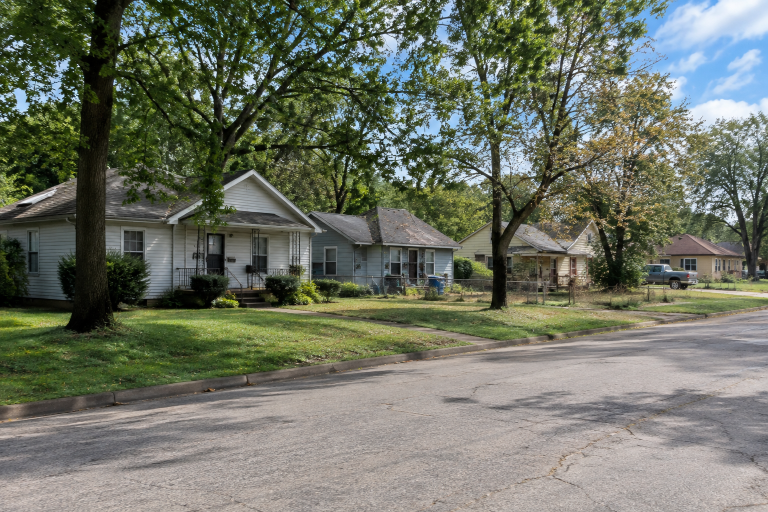
Rural Arkansas properties deserve an even more property-specific review. Acreage, road access, surveys, wells, septic systems, flood exposure, outbuildings, and easements can affect both buyer interest and the time needed to close. Recent comparable sales from the same area are more useful than a broad online estimate.
Cash Sale Versus a Traditional Listing
Traditional Listing
- May reach more buyers and potentially support a higher retail price.
- Often requires cleaning, photos, showings, negotiations, and a period of market exposure.
- Can involve inspection requests, appraisal issues, lender conditions, and buyer financing deadlines.
- May include agent compensation and seller concessions, depending on the listing and purchase agreements.
Cash or Direct Sale
- May allow the property to be sold in its present condition.
- Often reduces the number of showings and financing-related contingencies.
- Can offer a flexible closing date, although title work and payoff issues can still affect timing.
- Usually reflects the buyer’s repair budget, resale risk, and the convenience offered to the seller.
Calculate the Real Net Proceeds
The largest headline offer is not automatically the best outcome. Start with the proposed purchase price, then subtract the mortgage payoff, agreed agent compensation, seller-paid closing charges, repair credits, taxes, insurance, utilities, cleaning, storage, and carrying costs through closing.
For example, a homeowner may receive a $210,000 listing offer but need $18,000 in repairs, pay selling costs, and carry the home for several more months. A lower as-is offer could be competitive if it avoids those expenses and closes on a schedule that fits the owner’s needs. The numbers should be written down for each option before any contract is accepted.
Arkansas Closing Costs and Contract Details to Review
Closing charges and responsibilities are negotiable, so the agreement should clearly state who pays for title work, recording fees, taxes, payoff processing, repair credits, and other settlement items. Request a written settlement statement before closing and confirm that the names, sale price, mortgage payoff, and deductions are correct.
For complicated arrangements such as a land contract, seller financing, or a property with an existing mortgage, the Arkansas Real Estate Commission advises sellers to involve a qualified Arkansas real estate attorney. A title company or attorney can also help identify liens, probate issues, unpaid taxes, and documents needed to transfer ownership.
Questions to Ask Before Accepting a Cash Offer
- Who is the actual buyer, and can they provide proof of funds?
- Can the buyer assign the contract to someone else?
- Is the price subject to inspection, a walkthrough, or another approval?
- What are the inspection, cancellation, and closing deadlines?
- Who pays each closing cost, and are any fees outside the purchase price?
- What happens if the buyer does not close on time?
- When will the seller receive proceeds, and must belongings be removed before closing?
Common As-Is Properties and Warning Signs
Older homes, storm-damaged houses, vacant inherited properties, rentals, manufactured homes, small multifamily buildings, and homes with septic, drainage, or foundation concerns are often sold as-is. That does not make every direct buyer a good fit. Be cautious if someone pressures you to sign immediately, will not identify the buyer, leaves blanks in the contract, demands money upfront, or changes the price without a clear written explanation.
A Practical Seven-Step Checklist
- Gather mortgage, tax, insurance, and ownership records.
- List known repairs, liens, notices, and occupancy concerns.
- Request realistic value opinions based on nearby sales.
- Compare a listing plan with one or more as-is offers.
- Estimate net proceeds for every option.
- Read every deadline, contingency, fee, and assignment clause.
- Close through a reputable title company or qualified professional.
Choose the Path That Fits the Property and Timeline
There is no single best way to sell every Arkansas home. A traditional listing may suit an owner with time to prepare and market a property. An as-is cash sale may make more sense when repairs, privacy, certainty, or speed matter most. The strongest decision comes from comparing the final net amount, contract terms, buyer reliability, and closing timeline in clear terms.
- Medical Misdiagnosis And Your Legal Rights
- Finding Tranquility: The Benefits of Day Spa Treatments and Massage Therapy
- Enhancing Curb Appeal: Exterior Home Improvements and Maintenance
- Selling a House As-Is in Arkansas: Cash Offers, Listings, and Net Proceeds
- What Your Siding Must Handle: A Philadelphia, Pennsylvania Homeowner’s Guide to Weather, Moisture, and Material Choice