

High-ROI Exterior Home Improvements for Maximum Curb Appeal
The exterior of your home is more than just a facade; it’s a critical component of its perceived value and overall structural integrity. In the competitive real estate market of 2026, enhancing your home’s curb appeal can increase its perceived value by 5-11%. For an average $400,000 home, this translates to a significant $20,000 to $44,000 boost. This isn’t just about aesthetics; it’s about making a smart investment.
Projects that visibly transform your home’s exterior often yield the highest returns. Consider the impact of a new garage door, which, especially an upscale model, can recoup around 85% of its cost. Architectural accents like manufactured stone veneer, which can recoup nearly 90% of its cost, provide a high-end look without the full expense of natural stone. Thoughtful outdoor lighting can also dramatically improve evening curb appeal and security, making your home more inviting and safer.
Cost vs. Value: Exterior Home Improvements That Recoup the Most
When planning exterior upgrades, understanding the potential return on investment (ROI) is crucial. Some projects consistently rank higher in terms of value recouped, making them strategic choices for homeowners looking to maximize their investment.
Here’s a look at how various exterior projects stack up in terms of cost versus value, based on 2026 projections and recent industry reports:
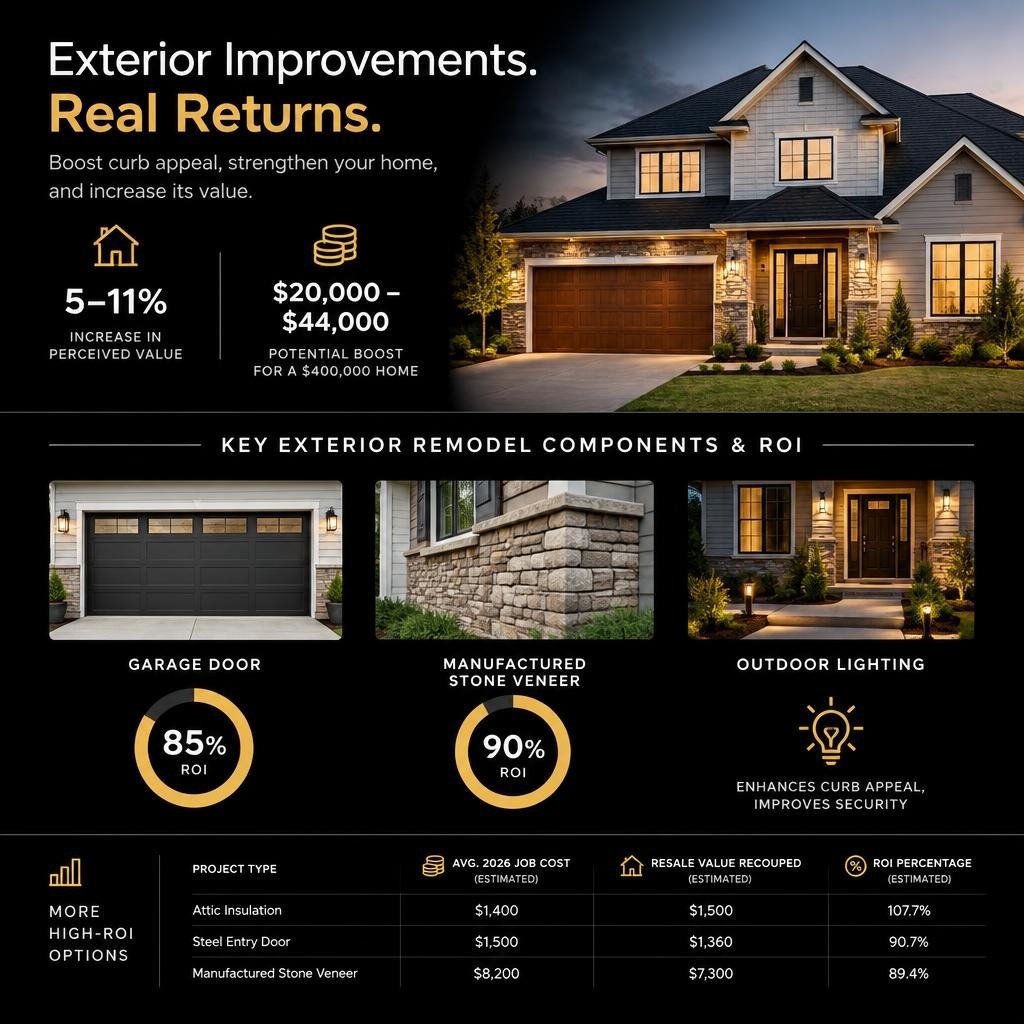
Project Type Average 2026 Job Cost (Estimated) Resale Value Recouped (Estimated) ROI Percentage (Estimated) Attic Insulation $1,400 $1,500 107.7% Steel Entry Door $1,500 $1,360 90.7% Manufactured Stone Veneer $8,200 $7,300 89.4% Upscale Garage Door $3,500 $3,000 85.0% Siding Replacement $15,000 $11,500 76.4% Vinyl Window Replacement $16,000 $11,800 73.9% Wood Window Replacement $19,500 $14,200 73.0% Asphalt Shingle Roofing $12,000 $7,200 60.0% Metal Roofing $20,000 $12,000 60.0% Note: These figures are national averages for 2026 and can vary based on location, material choices, and specific project scope.
As you can see, projects like attic insulation and steel entry door replacement often provide exceptional investment returns, sometimes even exceeding their initial cost. Siding and window replacements, while larger investments, still offer substantial value recovery, contributing to both aesthetic appeal and energy efficiency.
Upgrading Entryways, Windows, and Architectural Accents
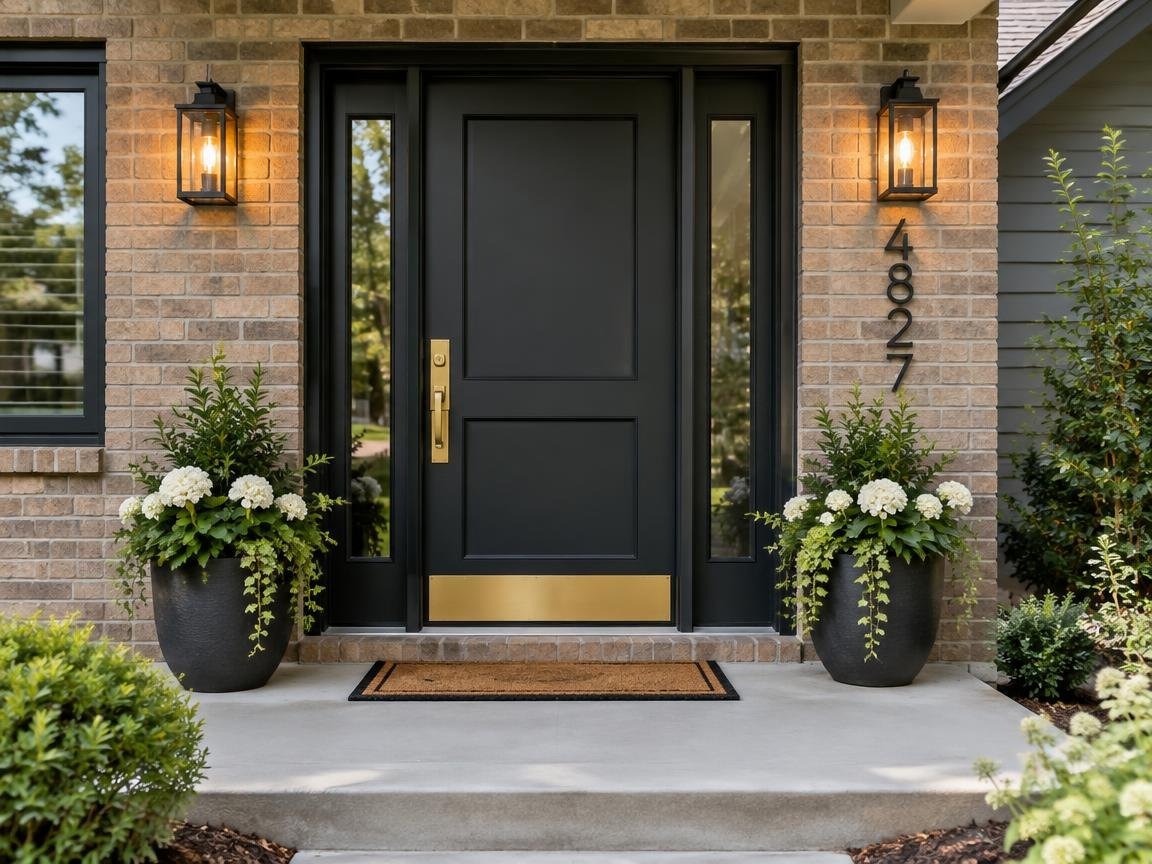
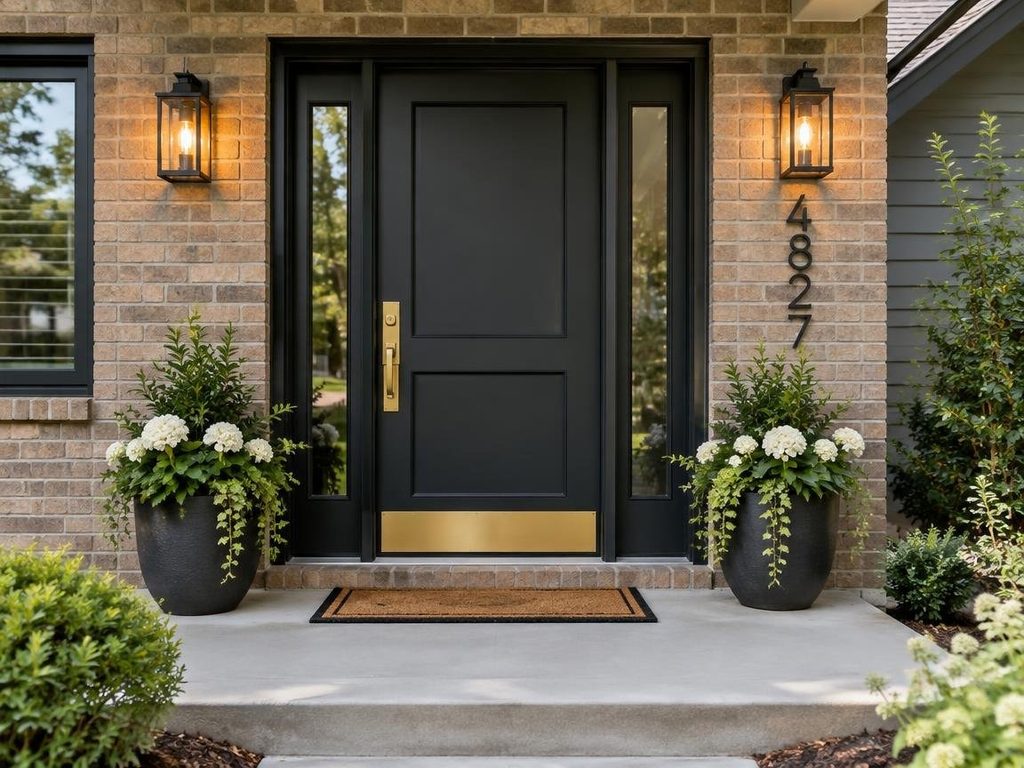
The entryway is the focal point of your home’s exterior, offering the first glimpse of its style and personality. Upgrading your front door can dramatically enhance curb appeal. A new steel entry door not only provides superior security and durability but also offers a high ROI. Consider modernizing hardware with finishes like matte black or brass, which can instantly update the look. Even simple changes, like replacing outdated house numbers with a sleek, contemporary design, can be completed in about 30 minutes and make a noticeable difference.
Windows play a dual role in exterior improvements: they contribute significantly to aesthetics and are crucial for energy performance. The U.S. Department of Energy estimates that 25–30% of home energy loss occurs through windows. Replacing old, inefficient windows with new, energy-efficient models featuring low-emissivity (Low-E) glass can drastically reduce heating and cooling costs. While a whole-house standard window replacement can range from $4,500 to $20,000+, the long-term energy savings and improved comfort can justify the investment.
Beyond functionality, windows also offer opportunities for architectural enhancements. Adding exterior shutters, for example, is a relatively low-cost way to boost first-impression value. Custom shutters can provide a similar ROI to entry door replacements, around 90% cost recoup, making them an attractive option for homeowners seeking impactful yet affordable upgrades.
Whole-House Exterior Renovations: Roofing, Siding, and Hardscaping
For a more comprehensive transformation, a whole-house exterior renovation often involves significant upgrades to roofing, siding, and even hardscaping elements. These projects not only refresh your home’s appearance but also bolster its resilience against the elements and improve its long-term structural longevity.
Hardscaping, such as walkways, patios, and driveways, forms the foundation of your home’s outdoor presentation. Upgrading these areas can dramatically improve functionality and aesthetic appeal. For instance, replacing an old, cracked driveway with new residential concrete driveways can instantly elevate your home’s exterior. Stamped concrete offers a cost-effective way to mimic the look of more expensive materials like stone or brick, while ensuring durability and ease of maintenance. When considering accessibility, incorporating features like gentle slopes or wider paths can enhance universal design, making your home more welcoming for everyone. Adding a new porch or expanding an existing patio can create inviting outdoor living spaces, further extending your home’s usable footprint.
High-Performance Siding and Envelope Protection
Siding is your home’s primary defense against weather and a major determinant of its aesthetic. Choosing the right material is paramount, especially considering regional climates. In areas with intense heat, UV exposure, and frequent storms, certain materials perform better than others.
- Fiber Cement Siding: Brands like James Hardie are highly favored for their durability, impact resistance, and ability to withstand extreme weather conditions, including harsh UV rays, heavy rain, and freeze-thaw cycles. It’s also resistant to pests and rot. While the installed cost for a 2,000-2,500 sq ft home can range from $22,000 to $32,000+, its longevity and low maintenance make it a strong contender.
- Engineered Wood Siding: Offers the aesthetic appeal of natural wood with enhanced durability and resistance to moisture, rot, and insects, often with extended warranties.
- Premium Vinyl Siding: Modern vinyl siding has come a long way, offering improved thickness, insulation, and color retention. It’s a cost-effective option, with projects typically ranging from $14,000 to $26,000+ for a standard home, and performs well in many climates, including those with humid summers and cold winters.
Beyond the siding material itself, proper envelope protection is critical. This includes a high-quality weather-resistant barrier (WRB) installed behind the siding to prevent moisture intrusion. This foundational layer protects the sheathing and framing from water damage, preventing costly issues like rot and mold down the line.
Climate-Resilient Roofing and Seamless Gutters
Your roof is the ultimate protector of your home, bearing the brunt of sun, wind, rain, and snow. Selecting a roof material suitable for your specific climate is essential for long-term performance and peace of mind.
- Asphalt Shingles: Still the most common roofing material, modern asphalt shingles offer good durability and come in a wide range of styles and colors. They are a cost-effective choice, with replacements typically ranging from $8,000 to $19,000 for a standard home.
- Standing Seam Metal Roofs: Known for their exceptional longevity (40-60 years), superior wind resistance, and energy efficiency. While the initial investment is higher, often $18,000 to $30,000+, the lifecycle cost can be lower due to minimal maintenance and energy savings. They perform exceptionally well in areas with heavy snow, strong winds, or significant temperature fluctuations.
Proper roof installation goes beyond just shingles or panels. Adequate soffit ventilation is crucial to prevent heat and moisture buildup in the attic, which can shorten the life of your roof and lead to ice damming in colder climates. Integrated with your roofing system, roofing and seamless gutters play a vital role in moisture mitigation. Seamless gutters, custom-fabricated on-site, reduce leaks and channel rainwater away from your foundation, protecting your landscaping and preventing basement flooding. They also protect fascia boards from water damage, preserving the integrity of your home’s eaves.
Estimating Remodel Costs and Planning for Concealed Damage
Undertaking a significant exterior renovation means navigating costs that can vary widely. In 2026, a light exterior update might cost $5,000 to $15,000, while a comprehensive whole-house exterior remodel can easily fall into the $40,000 to $90,000 range. Complex projects, especially those involving structural changes or extensive hidden damage, can exceed $100,000.
A critical aspect of budgeting is planning for the unexpected. Hidden damage, such as rot, insect infestation, or compromised sheathing, is a common surprise when old siding or roofing is removed. This is where cost assumptions often break down. For instance, about 30% of older homes in some regions reveal rot behind existing siding. Discovering and repairing this damage is essential but adds to the project cost. It’s not uncommon for a project estimate to jump by tens of thousands of dollars once these issues are uncovered.
We recommend allocating a contingency budget to cover these unforeseen expenses. For a well-maintained home, a 10% contingency might suffice. However, for older homes or those with known issues, a 15-20% contingency is a more prudent approach. Additionally, factor in permit fees, which in some cities can range from $50 to $150 or more, depending on the scope of work. A reputable contractor will handle the permit process and clearly outline all associated costs in their proposal.
Strategic Sequencing for Exterior Home Improvements
The order in which exterior components are installed is not arbitrary; it’s a critical factor in ensuring proper water management, structural integrity, and the longevity of your investment. Incorrect sequencing can lead to moisture intrusion, warranty issues, and costly re-work.
Here’s the generally accepted and most effective trade sequencing for a comprehensive exterior remodel:
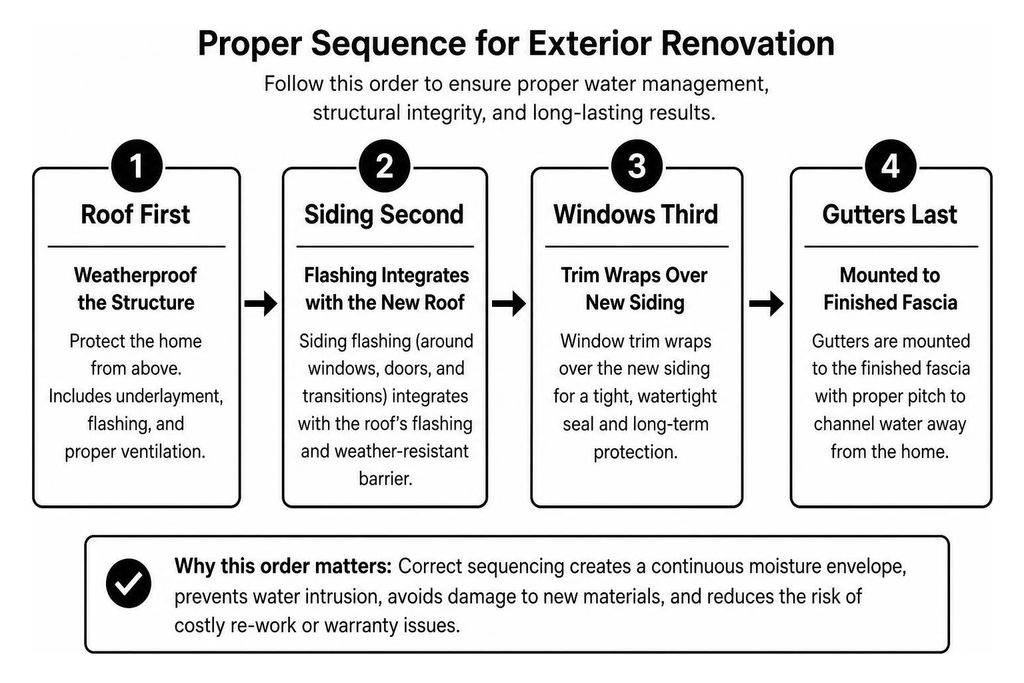
- Roof First – Weatherproof the Structure: The roof is your home’s primary shield. It should always be installed or replaced first. This ensures that the structure is protected from above before any other exterior work begins. New roofing includes underlayment, flashing, and proper ventilation.
- Siding Second – Flashing Integrates with the New Roof: Once the roof is complete, siding installation follows. Crucially, siding flashing (around windows, doors, and transitions) must integrate seamlessly with the roof’s flashing and weather-resistant barrier. This creates a continuous moisture envelope.
- Windows Third – Trim Wraps Over New Siding: Window replacement typically occurs after siding is in place. This allows the window trim to properly wrap over the new siding, creating a tight, watertight seal. If windows are installed before siding, the siding may need to be cut around existing trim, compromising the seal.
- Gutters Last – Mounted to Finished Fascia: Gutters are the final component. They are mounted to the finished fascia boards, ensuring proper pitch and alignment to effectively channel water away from the home. Installing gutters too early can lead to damage during siding or window work, or improper alignment if fascia is replaced.
Following this strategic sequencing minimizes the risk of water penetration, ensures component warranties remain valid, and optimizes labor efficiency, ultimately contributing to a superior and longer-lasting result.
Routine Maintenance and Low-Cost Weekend Upgrades
Not every exterior improvement requires a major overhaul. Regular maintenance and small, targeted upgrades can significantly impact your home’s appearance and longevity without breaking the bank. These projects are often perfect for a weekend DIY warrior.
- Pressure Washing: A thorough pressure wash can revitalize your home’s exterior, removing years of dirt, grime, mold, and mildew from siding, walkways, and patios. However, caution is key: use appropriate settings for different surfaces. For instance, a gentle setting is needed for painted surfaces, while windows should generally not be pressure washed directly to avoid seal damage. Always match cleaning methods to surface material to avoid damage.
- Exterior Trim Touch-Ups: Faded or peeling paint on trim, eaves, and window frames can make an otherwise well-maintained home look neglected. A fresh coat of paint in a complementary color can dramatically sharpen your home’s appearance.
- Low-Maintenance Landscaping:Strategic landscaping can enhance curb appeal. Focus on low-maintenance plants that thrive in your local climate, requiring minimal watering and upkeep. Adding fresh mulch, defining garden beds with stone borders, or planting a few colorful shrubs can make a big difference.
- Hardware Upgrades: As mentioned earlier, replacing outdated door knobs, light fixtures, or mailboxes can provide an instant facelift. These are often affordable and quick projects.
- Seasonal Maintenance Checklist:Develop a routine for exterior care. This includes cleaning gutters, inspecting the roof for loose shingles, checking caulk around windows and doors, and trimming overgrown vegetation. Regular cleaning maintains material integrity and prevents damage over time.
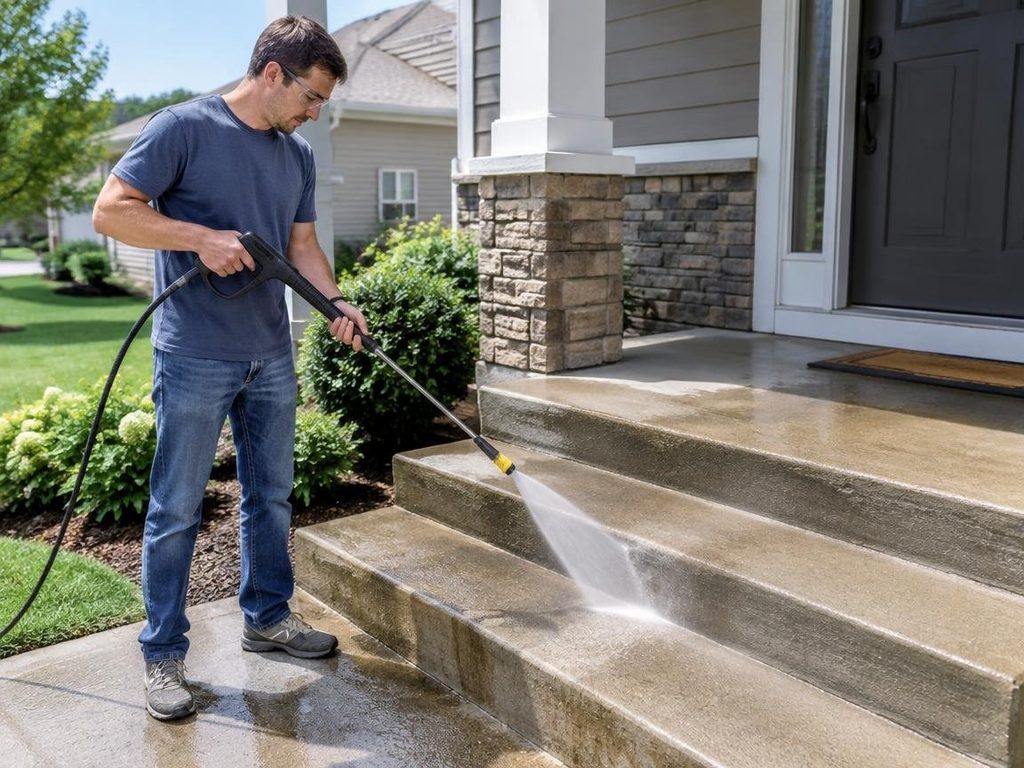
These small, consistent efforts not only keep your home looking its best but also help you identify potential problems early, preventing them from escalating into costly repairs.
How to Choose a Qualified Exterior Remodeling Contractor
Selecting the right contractor is perhaps the most crucial step in any successful exterior home improvement project. The quality of workmanship, adherence to timelines, and overall project experience hinge on this decision. Here’s what to look for:
- Single-Contractor Management: For comprehensive projects involving multiple trades (roofing, siding, windows, gutters), a contractor who can manage all aspects under one contract is often beneficial. This approach streamlines communication, ensures proper sequencing, and minimizes the “blame game” that can occur when multiple companies are involved. Look for a contractor who assigns a single project manager to your job.
- Licensing and Insurance: Always verify that the contractor is fully licensed and insured (liability and workers’ compensation) in your state and locality. This protects you from potential financial liabilities in case of accidents or property damage.
- OSHA Compliance: A commitment to OSHA (Occupational Safety and Health Administration) standards indicates a contractor prioritizes safety on the job site, protecting both their workers and your property.
- Detailed Written Proposals: A reputable contractor will provide a comprehensive, written proposal that clearly outlines the scope of work, materials to be used, project timeline, payment schedule, and warranty information. Avoid contractors who offer vague estimates or pressure you into quick decisions.
- Workmanship Warranties: Beyond manufacturer warranties on materials, inquire about the contractor’s workmanship warranty. This guarantees their installation quality for a specified period.
- Permit Handling: For most major exterior renovations, permits are required. A professional contractor should handle all necessary permit applications and inspections, ensuring your project complies with local building codes.
- Manufacturer Certifications:Certifications from leading manufacturers (e.g., James Hardie Alliance Elite Contractor, CertainTeed ShingleMaster) indicate that the contractor has met rigorous training and installation standards for specific products. This can also be crucial for activating full manufacturer warranties.
- References and Reviews: Check online reviews (Google, BBB, etc.) and ask for local references. Speak to past clients about their experience with the contractor’s communication, professionalism, and quality of work.
By thoroughly vetting potential contractors, you can ensure your exterior renovation is handled by experienced professionals who will deliver a high-quality, long-lasting result.
Frequently Asked Questions About Exterior Home Improvements
Navigating exterior home improvements often brings up several common questions. Here, we address some of the most frequent inquiries to help you plan your project effectively.
Is it cheaper to replace windows and siding at the same time?
Often, yes, it can be more cost-effective to replace windows and siding concurrently, especially if your windows are full-frame replacements. The primary reason is efficiency. Both projects involve similar demolition and access requirements to the exterior wall. When done together, you reduce duplicate labor costs for scaffolding, debris removal, and setting up a work area. More importantly, it allows for seamless integration of flashing and weather-resistant barriers around the new windows with the new siding, creating a superior, watertight seal. This coordinated approach minimizes the risk of future moisture problems and ensures a cohesive, professional finish. If done separately, you might find yourself paying twice for similar preparatory work or risking compromised seals.
What are the key warning signs that an exterior needs full replacement?
Being proactive about identifying signs of wear and tear can save you from more extensive and costly repairs down the line. Here are key indicators that your siding, roofing, or windows may need replacement:
- Siding:Cracked, warped, or rotted panels: These are clear signs of material degradation and compromised protection.
- Frequent repainting: If your paint isn’t holding up, it might be due to underlying siding issues.
- Bubbling or blistering: Can indicate moisture trapped behind the siding.
- Fungus, mold, or mildew: While some surface growth can be cleaned, persistent or widespread issues often point to moisture problems.
- Rising energy bills: Damaged or poorly insulated siding can lead to significant heat loss or gain.
- Roofing:Curling, cracking, or missing shingles: These are direct indicators of an aging or damaged roof.
- Granule loss: If you see shingle granules in your gutters, your roof is losing its protective layer.
- Dark streaks or moss growth: Can indicate moisture retention and degradation.
- Water stains on interior ceilings or walls: A definitive sign of a roof leak.
- Sagging roof deck: A severe structural issue requiring immediate attention.
- Windows:Drafts: Feeling air movement around closed windows is a sign of poor seals or insulation.
- Condensation between panes:Indicates a failed insulated glass unit (IGU) seal.
- Difficulty opening or closing: Can be due to warped frames or foundation shifts.
- Rising energy bills: Old, inefficient windows are a major source of energy loss.
- Visible rot or decay on wood frames:Compromises structural integrity and allows moisture intrusion.
If you observe several of these signs, it’s wise to consult with a professional exterior remodeler for a thorough inspection.
How much contingency budget is needed for an exterior renovation?
Budgeting for contingencies is a crucial step in any significant renovation, especially for exterior work where hidden issues are common. The amount you should allocate depends largely on the age and known condition of your home.
- For newer homes (built in the last 20-30 years) with no known major issues: A 10% contingency is generally a safe bet. This covers minor unexpected material costs, small repairs discovered during demolition, or slight changes to the scope.
- For older homes (50+ years old) or those with suspected issues (e.g., previous water damage, known leaks, soft spots in siding): We strongly recommend a 15-20% contingency. Older homes are more prone to concealed rot, sheathing damage, outdated wiring behind walls, or other structural surprises once the existing exterior layers are removed. Discovering and addressing these issues properly is essential for the long-term health of your home and can significantly impact the final cost.
It’s always better to over-budget slightly and not need the full contingency than to be caught unprepared by unforeseen expenses. A transparent contractor will discuss potential hidden costs and help you understand where these funds might be needed.
Conclusion
Investing in your home’s exterior is a commitment to its beauty, durability, and value. From high-ROI upgrades like new entry doors and manufactured stone veneer to comprehensive whole-house renovations involving climate-resilient roofing and high-performance siding, every improvement contributes to a stronger, more efficient, and more attractive home. By understanding the best practices for material selection, installation sequencing, and contractor vetting, you can make informed decisions that protect your investment for years to come.
As we look to 2026 and beyond, prioritizing exterior improvements means embracing holistic remodeling that considers long-term durability, energy cost reduction, and the positive impact on neighborhood aesthetics. These strategic enhancements not only provide immediate satisfaction but also build significant property equity, ensuring your home remains a source of pride and a valuable asset.
- Medical Misdiagnosis And Your Legal Rights
- Finding Tranquility: The Benefits of Day Spa Treatments and Massage Therapy
- Enhancing Curb Appeal: Exterior Home Improvements and Maintenance
- Selling a House As-Is in Arkansas: Cash Offers, Listings, and Net Proceeds
- What Your Siding Must Handle: A Philadelphia, Pennsylvania Homeowner’s Guide to Weather, Moisture, and Material Choice