

Understanding Urinary Frequency in Men
We understand the disruption that frequent urination can bring to a man’s life. Constantly seeking the nearest restroom, interrupted sleep, and the worry of underlying health issues can be incredibly frustrating. It’s a common concern, affecting many men as they age, yet it is rarely discussed openly. However, thanks to ongoing advancements in urological care, we now have more effective ways to diagnose and manage this condition.
In this extensive guide, we will break down what constitutes frequent urination in men. We will explore the many potential causes, including common prostate conditions like BPH and prostatitis, as well as infections and lifestyle factors. We will also detail the diagnostic process and the wide array of treatment options available today, from simple home remedies to advanced medical interventions.
Our aim is to provide clear, actionable insights. We want to help you understand your symptoms and navigate the path toward improved bladder control and a better quality of life. Seeking timely and Expert urological care can make a significant difference in addressing these concerns.

Frequent urination, sometimes referred to as urinary frequency, describes the need to urinate more often than usual. While it’s a common symptom, its impact can vary widely, from a minor inconvenience to a significant disruption of daily life and sleep. To truly understand what constitutes “frequent,” it’s helpful to establish a baseline for normal urination patterns and distinguish it from other related conditions.
Defining the Baseline
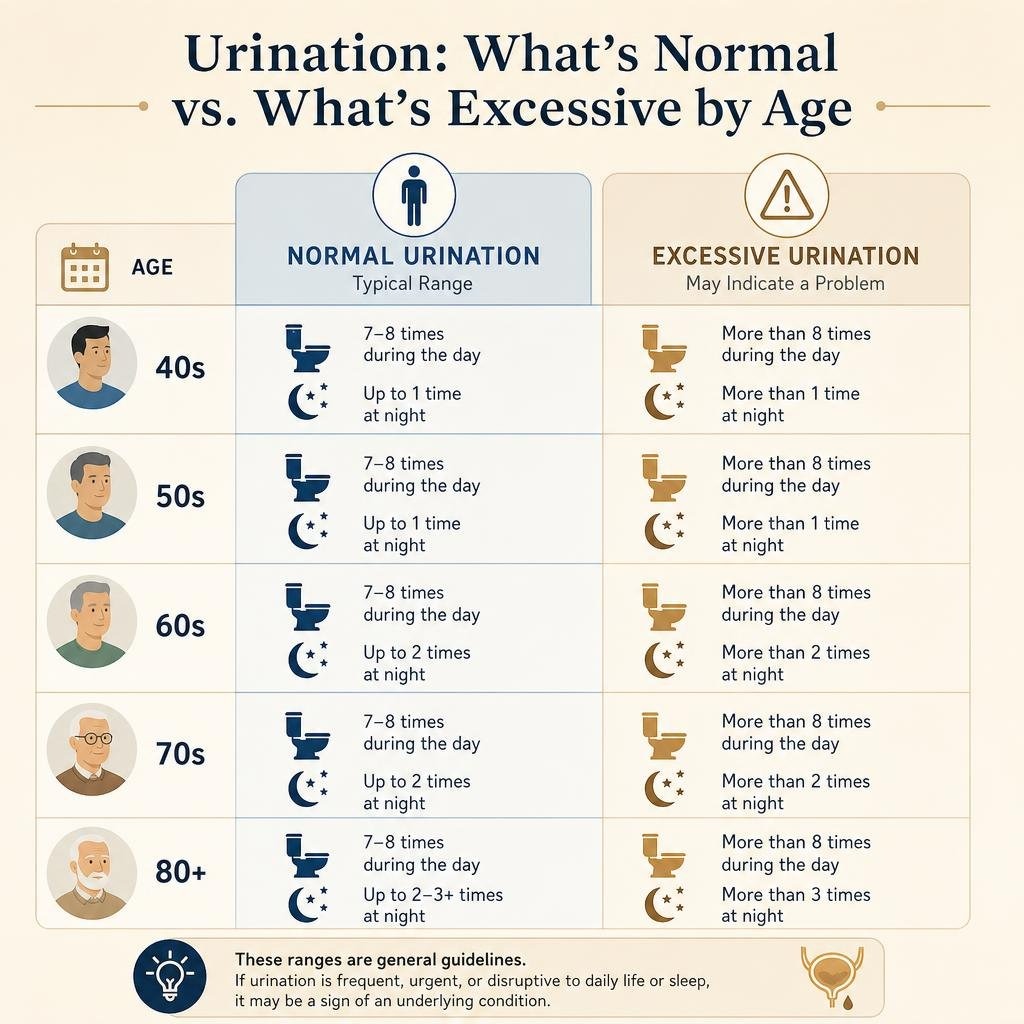
For most healthy adults, urinating between seven and eight times during waking hours is considered within the normal range. This can, of course, vary based on individual fluid intake, activity levels, and overall health. The average bladder capacity allows for holding approximately 350-400 milliliters of fluid. If you find yourself needing to empty your bladder significantly more often than this, or if the frequency interferes with your daily activities or sleep, it may be considered excessive.
Age also plays a role in what is considered normal, particularly regarding nighttime urination, known as nocturia. For men in their 40s and 50s, waking once to urinate is generally acceptable. This can increase to twice in their 60s and 70s, and potentially two to three times or more for men in their 80s and beyond. However, if these nighttime trips are disruptive or if you’re experiencing a strong, sudden urge that’s difficult to defer, it warrants further investigation.
Urinary frequency can manifest as “storage symptoms,” where the bladder fills too quickly or feels full prematurely, leading to increased urgency and frequency. Alternatively, it can present as “voiding symptoms,” which relate to issues with the bladder emptying process itself, such as hesitancy, a weak stream, or incomplete emptying. Both types of symptoms can lead to a perceived need to urinate more often.
Distinguishing Frequency from Polyuria
It’s crucial to differentiate between urinary frequency and polyuria. While both involve urinating often, the key distinction lies in the total volume of urine produced. Urinary frequency typically involves urinating normal or even less-than-normal volumes each time, but doing so very often. Polyuria, on the other hand, is defined as producing an abnormally large amount of urine, generally more than 3 liters per day.
If you’re drinking excessive amounts of fluids, especially water, you might experience polyuria, which naturally leads to frequent urination due to the sheer volume of liquid passing through your system. However, true urinary frequency, where the bladder feels full despite not holding a large volume, often points to issues with bladder irritation, reduced bladder capacity, or inefficient emptying. A thorough diagnostic evaluation will consider both the frequency and the volume of urination to pinpoint the underlying cause.
Common Causes of Frequent Urination in Men
Frequent urination in men can stem from a wide array of factors, ranging from common age-related changes to more serious medical conditions. Understanding these causes is the first step toward effective management and treatment.
Prostate-Related Conditions and Urological Care
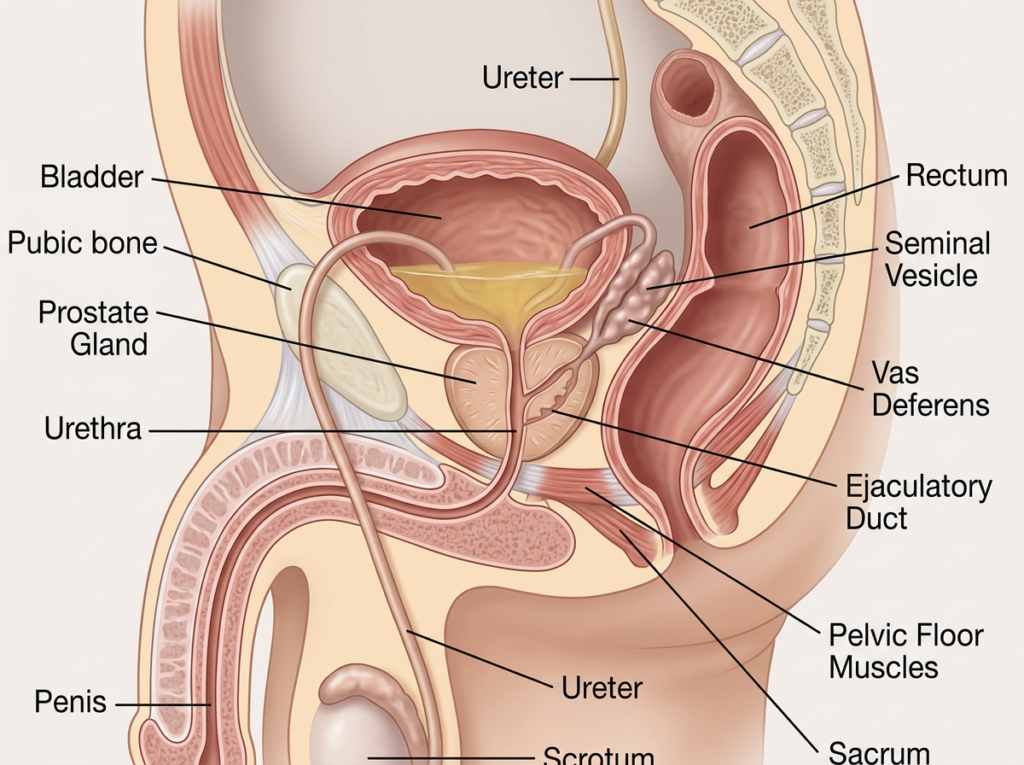
The prostate gland, a walnut-sized organ located just below the bladder, plays a significant role in male urinary health. As men age, the prostate naturally grows, a condition known as benign prostatic hyperplasia (BPH) or an enlarged prostate. This growth usually begins in a man’s 30s and 40s and continues throughout life. By age 50, approximately 50% of men may experience symptoms of an enlarged prostate, and almost all men who live long enough will develop BPH.
When the prostate enlarges, it can press on the urethra, the tube that carries urine from the bladder out of the body. This compression can obstruct urine flow, leading to a variety of lower urinary tract symptoms (LUTS), including frequent urination, a weak or interrupted stream, difficulty starting urination, and a feeling of incomplete bladder emptying. The sensation of incomplete emptying can make men feel the need to urinate again shortly after a bathroom visit, contributing to increased frequency.
Other prostate conditions can also cause frequent urination:
- Prostatitis: This is an inflammation or infection of the prostate gland. It can cause pain in the groin or pelvic area, painful urination, and an urgent or frequent need to urinate.
- Prostate Cancer: While less common than BPH, prostate cancer can also cause urinary symptoms, especially in advanced stages. Symptoms can be similar to BPH, including frequent urination, weak stream, or blood in the urine. Regular prostate-specific antigen (PSA) screenings, especially for men over 50, are important for early detection. For comprehensive evaluations and personalized treatment plans, consulting with a specialist in men’s health and urology is highly recommended.
Bladder and Urinary Tract Infections
Urinary tract infections (UTIs) are often thought of as a women’s health issue, but men can also develop them. While less common in younger men, the risk of UTIs increases with age, particularly if there’s an underlying prostate issue or other urinary obstruction. A bacterial infection in the bladder or urethra causes inflammation, leading to a persistent urge to urinate, often accompanied by burning or pain during urination, and cloudy or strong-smelling urine.
Other bladder conditions contributing to frequent urination include:
- Overactive Bladder (OAB): This syndrome is characterized by a sudden, strong urge to urinate that is difficult to defer, often leading to involuntary leakage (urge incontinence). Frequency and nocturia are also hallmark symptoms of OAB, resulting from involuntary bladder muscle contractions.
- Bladder Stones: These hard mineral deposits can form in the bladder, causing irritation, pain, and frequent urination, especially when moving.
- Interstitial Cystitis (Painful Bladder Syndrome): This chronic condition causes bladder pressure, bladder pain, and sometimes pelvic pain. The symptoms can mimic a UTI but without infection, leading to a constant need to ur urinate.
- Urethral Stricture: A narrowing of the urethra can obstruct urine flow, similar to an enlarged prostate, leading to incomplete emptying and increased frequency.
Systemic and Neurological Factors
Beyond the urinary tract itself, several systemic conditions and neurological disorders can contribute to frequent urination:
- Diabetes: Both Type 1 and Type 2 diabetes can cause frequent urination. Uncontrolled blood sugar levels lead to increased glucose in the urine, which draws more water from the body, resulting in polyuria (excessive urine production) and subsequent frequent urination.
- Neurological Disorders: Conditions that affect the nerves controlling bladder function can disrupt the communication between the brain and the bladder. This can lead to either an overactive bladder or an inability to empty the bladder completely. Examples include stroke, multiple sclerosis (MS), Parkinson’s disease, and spinal cord injuries.
- Low Testosterone: While often associated with sexual health, low testosterone can indirectly impact urinary function. Some research suggests a link between low T and worsened lower urinary tract symptoms, potentially by affecting prostate health or bladder muscle function.
Lifestyle Triggers and Daily Management
While underlying medical conditions are significant contributors to frequent urination, many daily habits and lifestyle choices can exacerbate or even cause increased urinary frequency. Addressing these factors can often provide substantial relief and improve bladder control.
Dietary and Fluid Adjustments
What you consume and when you consume it can have a direct impact on how often you need to urinate. Certain substances are known bladder irritants, meaning they can stimulate the bladder muscle or increase urine production:
- Caffeine: Found in coffee, tea, sodas, and energy drinks, caffeine acts as a diuretic, increasing urine output. Excessive caffeine intake can cause urinary frequency even in healthy individuals.
- Alcohol: Similar to caffeine, alcohol is a diuretic that increases urine production and can irritate the bladder lining.
- Artificial Sweeteners: Some artificial sweeteners have been linked to bladder irritation and can trigger symptoms of an overactive bladder in sensitive individuals.
- Acidic Foods and Spicy Foods:Citrus fruits, tomatoes, and very spicy dishes can irritate the bladder for some people, leading to increased frequency and urgency.
Managing fluid intake, particularly its timing, is also crucial. While staying adequately hydrated throughout the day is essential for overall health, excessive fluid consumption, especially close to bedtime, can significantly contribute to nocturia. We recommend avoiding large amounts of fluids two to three hours before sleep to reduce nighttime bathroom trips. However, it’s vital not to restrict fluids too much during the day, as dehydration can lead to highly concentrated urine, which can irritate the bladder and potentially increase the risk of urinary tract infections. Proper hydration helps dilute urine, making it less irritating to the bladder.
Behavioral Therapies and Exercises
Beyond dietary changes, specific behavioral strategies and exercises can help men manage frequent urination:
- Bladder Training: This technique involves gradually increasing the time between bathroom visits. Starting with small increments, you consciously try to delay urination when the urge strikes. Over time, this can help your bladder hold more urine and reduce urgency.
- Pelvic Floor Exercises (Kegel Exercises): Strengthening the pelvic floor muscles can improve bladder control and reduce leakage, particularly for urge incontinence. These exercises involve contracting and relaxing the muscles used to stop the flow of urine. A pelvic floor therapist can provide guidance on proper technique.
- Symptom Diary: Keeping a detailed log of fluid intake, urination times, and any associated symptoms (like urgency or leakage) can be incredibly helpful. This diary provides valuable information for both you and your healthcare provider, helping to identify patterns and triggers, and assess the effectiveness of interventions.
- Weight Management: For men who are overweight or obese, excess abdominal fat can put pressure on the bladder, potentially worsening symptoms of frequent urination. Losing weight can alleviate this pressure and improve bladder function.
- Quit Smoking: Smoking is a known bladder irritant and can worsen overactive bladder symptoms. It’s also a risk factor for bladder cancer, which can cause urinary frequency.
By implementing these lifestyle adjustments and behavioral therapies, many men can significantly reduce their symptoms and improve their quality of life, often without the need for medication or more invasive treatments.
Modern Diagnostic Approaches in Urological Care
When frequent urination becomes bothersome or is accompanied by other concerning symptoms, seeking professional medical evaluation is crucial. Modern urological care employs a systematic approach to diagnose the underlying cause, ensuring that treatment is targeted and effective.
Initial Clinical Assessments
The diagnostic process typically begins with a thorough discussion of your medical history and symptoms. Your doctor will ask detailed questions about:
- Urination Patterns: How often do you urinate during the day and night? What is the typical volume? Do you experience urgency, pain, or leakage?
- Fluid Intake: What and how much do you drink? Do you consume caffeine, alcohol, or artificial sweeteners?
- Medications: Are you taking any medications, including over-the-counter drugs, that might affect urination (e.g., diuretics)?
- Other Symptoms: Do you have fever, chills, lower back pain, penile discharge, or blood in your urine?
- Impact on Quality of Life: How do your symptoms affect your daily activities, sleep, and overall well-being?
A symptom tracking diary, where you record fluid intake and urination times over 24-72 hours, is often requested. This provides objective data that can help distinguish between true frequency and polyuria, and identify patterns.
A physical examination will typically be performed. For men, this usually includes a digital rectal examination (DRE) to assess the size, shape, and consistency of the prostate gland. Neurological assessment may also be part of the exam to check for nerve function related to bladder control.
Urinalysis and urine culture are standard initial tests. Urinalysis checks for signs of infection, blood, protein, or sugar in the urine. If an infection is suspected, a urine culture will identify the specific bacteria present, guiding appropriate antibiotic treatment.
Advanced Diagnostic Testing and Urological Care
If initial assessments don’t reveal a clear cause or if symptoms are complex, your doctor may recommend more advanced diagnostic tests:
- Post-Void Residual (PVR) Volume Measurement: This test measures the amount of urine remaining in your bladder immediately after you’ve tried to empty it. A high PVR can indicate an obstruction (like an enlarged prostate) or weak bladder muscles, both of which can lead to incomplete emptying and frequent urination. This is often done using an ultrasound bladder scan, a non-invasive procedure.
- Uroflowmetry: This test measures the speed and volume of your urine stream. It can help identify if there’s an obstruction causing a slow or weak flow.
- Cystoscopy: In this procedure, a thin, flexible tube with a camera (cystoscope) is inserted into the urethra to visualize the inside of the bladder and urethra. This allows the doctor to check for abnormalities such as stones, tumors, inflammation, or strictures.
- Urodynamic Studies (Cystometry):These tests assess how well the bladder and urethra are storing and releasing urine. They can measure bladder capacity, pressure during filling and emptying, and bladder muscle function. Urodynamic studies are particularly useful for diagnosing conditions like overactive bladder or neurogenic bladder.
- Imaging Tests: Ultrasound of the kidneys and bladder, or other imaging techniques, may be used to look for structural abnormalities, kidney stones, or other issues.
By combining the information from your medical history, physical exam, and these specialized tests, urologists can accurately diagnose the cause of frequent urination and develop a personalized treatment plan.
Treatment Pathways and Medical Interventions
Once the underlying cause of frequent urination has been identified, a range of treatment options is available. These can span from simple lifestyle modifications to pharmacological therapies and, in some cases, advanced surgical interventions. The choice of treatment is always tailored to the individual’s specific diagnosis, symptom severity, and overall health.
Medication Options
For many men, medications can effectively manage frequent urination, particularly when lifestyle changes alone are insufficient.
- Alpha-Blockers: These medications (e.g., tamsulosin, alfuzosin, silodosin, doxazosin) relax the smooth muscles in the prostate and bladder neck, making it easier for urine to flow. They are commonly prescribed for BPH and can quickly improve urinary symptoms like frequency and weak stream.
- 5-Alpha Reductase Inhibitors:Medications like finasteride and dutasteride work by shrinking the prostate gland over time. They are typically used for men with larger prostates and can take several months to show full effect.
- Anticholinergics: These drugs (e.g., oxybutynin, tolterodine) help relax an overactive bladder muscle, reducing urgency and frequency. They are often used for symptoms of overactive bladder.
- Beta-3 Agonists: Medications such as mirabegron work by relaxing the bladder muscle, increasing its capacity to hold urine and reducing the sensation of urgency. They are another option for treating overactive bladder symptoms.
- PDE5 Inhibitors: Drugs like tadalafil, primarily known for erectile dysfunction, have also been shown to improve lower urinary tract symptoms associated with BPH.
- Desmopressin: For severe nocturia, desmopressin can reduce the amount of urine produced by the kidneys at night, though it requires careful monitoring due to potential side effects.
- Antibiotics: If a urinary tract infection or bacterial prostatitis is diagnosed, a course of antibiotics will be prescribed to clear the infection.
Advanced and Surgical Therapies
When medications and lifestyle changes don’t provide adequate relief, or if there’s a significant obstruction, more advanced therapies or surgical interventions may be considered.
- Minimally Invasive Procedures for BPH: Several procedures aim to reduce prostate size or relieve pressure on the urethra with minimal invasiveness. These include:
- Transurethral Resection of the Prostate (TURP): Considered the “gold standard” for BPH surgery, TURP involves removing excess prostate tissue that is blocking the urethra.
- Laser Therapies (e.g., GreenLight Laser, Holmium Laser Enucleation of the Prostate – HoLEP): These use lasers to remove or vaporize obstructive prostate tissue, offering quicker recovery times and less bleeding compared to traditional TURP.
- Urethral Lift (UroLift): This procedure involves placing small implants to hold open the enlarged prostate lobes, relieving pressure on the urethra.
- Prostatic Artery Embolization (PAE):This involves blocking the blood supply to the prostate, causing it to shrink.
- Rezūm Water Vapor Therapy: Uses steam to destroy excess prostate tissue, reducing its size.
- Neuromodulation (InterStim Therapy): For severe overactive bladder that hasn’t responded to other treatments, sacral neuromodulation involves implanting a small device that sends mild electrical pulses to the nerves controlling the bladder, helping to regulate bladder function.
- Bladder Injections:OnabotulinumtoxinA (Botox) injections into the bladder muscle can help relax an overactive bladder, increasing its storage capacity.
- Urethral Dilation/Stenting: For urethral strictures, the urethra can be widened (dilated) or a small tube (stent) can be placed to keep it open.
- Surgical Repair: In rare cases, structural abnormalities or severe bladder issues may require reconstructive surgery.
The field of urology is continually evolving, with new treatments and techniques emerging regularly. Discussing all available options with your urologist is essential to determine the most appropriate and effective pathway for your specific condition.
Frequently Asked Questions about Urinary Frequency
Is peeing every 30 minutes normal for men?
No, peeing every 30 minutes is not considered normal for men and typically indicates that something may be amiss. While normal urination frequency can vary, most men urinate between 7 and 8 times during waking hours. If you find yourself needing to urinate every 30 minutes or more frequently, it suggests an underlying issue that warrants medical evaluation. This could be due to bladder irritation, an enlarged prostate, an infection, or other conditions affecting bladder capacity or function.
How does an enlarged prostate cause frequent urination?
An enlarged prostate, medically known as benign prostatic hyperplasia (BPH), causes frequent urination primarily by obstructing the flow of urine from the bladder. The prostate gland surrounds the urethra, and as it grows, it can compress this tube. This compression makes it harder for the bladder to empty completely. As a result, the bladder may always retain some urine, feeling full again quickly, leading to a constant sensation of needing to urinate. The bladder muscle may also work harder against the obstruction, becoming thicker and more irritable, leading to increased urgency and frequency. This can also contribute to nocturia, waking you up multiple times at night to urinate.
When should a man see a doctor for frequent urination?
It’s advisable for any man experiencing persistent frequent urination to seek medical evaluation, especially if it’s impacting their quality of life, sleep, or daily activities. You should promptly consult a healthcare provider if you experience any of the following “red-flag” symptoms:
- Blood in the urine (hematuria)
- Pain or burning during urination
- Fever or chills
- Lower back or flank pain
- Difficulty urinating or inability to urinate
- Penile discharge
- Unexplained weight loss
- Sudden onset of severe symptoms
Even without these acute symptoms, if you’re consistently urinating more than eight times a day or waking more than twice a night, it’s a good idea to schedule an appointment. Men are often less likely than women to seek care for urinary issues, with studies showing only about 22% of men seeking help compared to 45% of women, despite the availability of many effective treatments. Given that conditions like BPH affect 50% of men aged 50 or older, and the prevalence of urinary incontinence in men over 65 ranges from 11% to 34% by July 2026, proactive evaluation is key to early diagnosis and management. Early intervention can prevent potential complications and significantly improve your comfort and well-being.
Conclusion
Frequent urination in men is a common and often distressing symptom, but it is rarely something that must be endured without relief. As we’ve explored, its causes are diverse, ranging from benign prostate enlargement and infections to systemic diseases and lifestyle choices. The good news is that advancements in urological care mean that effective diagnostic tools and a wide spectrum of treatment options are available today.
From simple adjustments in diet and fluid management to behavioral therapies like bladder training and pelvic floor exercises, many men can find significant improvement through conservative approaches. When these are not enough, modern medicine offers a variety of medications that can target specific underlying issues, whether it’s relaxing an overactive bladder or shrinking an enlarged prostate. For more complex cases, minimally invasive procedures and surgical interventions provide lasting solutions.
We encourage all men experiencing bothersome urinary frequency to seek a professional evaluation. Early detection and treatment not only alleviate symptoms but can also prevent potential complications and significantly enhance your overall quality of life. Taking proactive steps towards understanding and managing your urinary health is a vital component of holistic well-being.
- After Death And Meaning: A Practical Guide To Grief, Hope, And End-Of-Life Conversations
- What to Do in the First Few Minutes of a Suspected Cardiac Arrest
- 6 Leading Dental Implant Providers In Palm Beach County
- 7 Downtown Chicago Hotels For Rooftop Views, Events, And Memorable Stays
- A Practical Guide to Safer, Smarter Food Storage at Home