

Key Takeaways
- Technology is revolutionizing senior socialization through virtual reality and AI-powered companions.
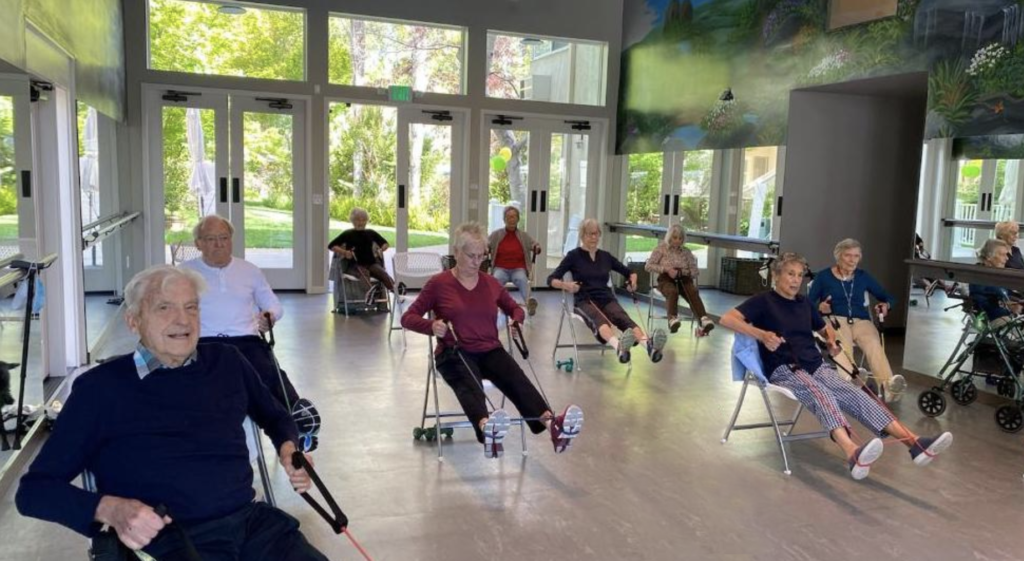
- Community-based programs like intergenerational activities and group exercises promote physical and mental health.
- Creative arts and cultural enrichment activities provide cognitive stimulation and social interaction.
As the elderly population continues to grow worldwide, fostering meaningful connections and promoting overall well-being among seniors is more important than ever. Innovative solutions are emerging that are redefining how we approach socialization and engagement among this demographic. From modern technologies to dynamic community initiatives, seniors today have more opportunities for connection and purpose than any previous generation. New options in senior living in Suffolk County and beyond demonstrate this evolution, adapting to the distinctive needs and interests of today’s older adults. Social isolation remains a significant concern for many seniors, often leading to health and cognitive challenges. Addressing this, forward-thinking programs are creating vibrant opportunities for meaningful interaction. These initiatives are not limited to any one setting, as they extend from local communities into the digital world, unlocking unique pathways for social connection that suit different personalities and abilities.
Technology now acts as a key enabler, bridging physical distances and enabling both group engagement and individualized support. Seniors can participate in virtual reality experiences, connect through video calls, or enjoy the company of AI-powered companions. At the same time, community leaders recognize the lasting value of in-person group activities, exercise programs, and shared learning, an approach that fosters both physical and emotional health.
Evidence suggests that blending innovative technology with traditional forms of engagement yields the best outcomes for wellbeing. Such integration empowers seniors to preserve independence, maintain active minds, and remain closely connected to their communities and families, regardless of physical limitations or distance. Blending new and old, these models are shaping the future of aging.
Advancements in technology have opened doors for seniors who may face mobility or accessibility barriers. Virtual reality platforms, for example, create immersive experiences that allow users to explore new environments or participate in interactive activities without leaving their homes. Studies have shown that these virtual gatherings spark conversation and engagement, reducing isolation while boosting emotional health. Additionally, AI-driven virtual companions are offering another dimension of support. Acting as conversational partners, these digital friends can provide daily social stimulation, offer reminders, and even support mental exercises that protect against cognitive decline. Beyond entertainment, technology is also transforming access to healthcare and wellness support. Telehealth consultations and online wellness programs allow seniors to proactively manage their health, attend virtual group fitness classes, and participate in ongoing learning, all from the comfort and safety of their homes. This integration of social and medical support helps to address the full spectrum of aging adults’ needs, resulting in better overall quality of life.
Community-Based Programs
The resurgence of community-based programs is a vital development in supporting senior wellbeing. Intergenerational activities, where older adults collaborate with youth in arts, mentorship, or technology projects, have demonstrated substantial psychological and social benefits. These connections reduce loneliness and foster mutual understanding and respect, strengthening the fabric of local communities. Physical activity remains a foundational element in maintaining senior health. Group classes tailored to different ability levels, such as chair yoga, tai chi, or neighborhood walking clubs, deliver more than just health benefits. The routines build habits, encourage regular peer check-ins, and create a supportive network. Many communities are also establishing learning circles, book clubs, and local volunteer groups, enabling seniors to assume active, purposeful roles that combat isolation and promote fulfillment.
Creative Arts and Cultural Enrichment
Participation in creative arts provides significant cognitive and social rewards for seniors. Community theater, arts and crafts workshops, and choral groups offer not only opportunities for artistic expression but also rich platforms for socialization. Engaging the mind through artistic pursuits has been linked to improved mood and sharper cognitive function, which can stave off feelings of loneliness or depression. Cultural enrichment adds another layer to social connection. Whether through language lessons, museum outings, or history lectures, seniors find engagement and stimulation that go hand in hand with personal growth and community connection. These lifelong learning opportunities help maintain curiosity, enhance self-esteem, and foster meaningful social exchanges, which are crucial for emotional well-being.
Holistic Wellness Models
Many senior communities are moving toward holistic wellness models that coordinate mental, physical, and social health. These programs may offer individualized fitness training, nutritional consultations, scheduled cognitive and memory exercises, and access to emotional support services. The holistic approach recognizes that fulfilling social interaction is inseparable from overall health and supports each senior in navigating retirement with both independence and enjoyment. In practice, this approach means that all aspects of wellbeing are addressed together, empowering seniors to stay active, informed, and emotionally resilient. By providing a balanced program of social, creative, and wellness opportunities, communities ensure their members continue to lead rich, engaged lives at every stage.
Technology-Enabled Engagement
In today’s fast-changing world, technology-enabled engagement is vital for keeping seniors involved, especially those with limited mobility. Interactive online platforms now allow for group games, fitness coaching, and peer support sessions. Residents can join classes, participate in virtual discussion groups, or connect with family members across long distances, all with only a few clicks. Additionally, smart devices and health-monitoring tools provide reassurance to both seniors and caregivers, enhancing safety while supporting autonomy. The impact of such innovative solutions is profound. By leveraging technology in harmony with hands-on community interaction, seniors are poised to remain active, connected, and emotionally fulfilled. This well-rounded approach marks a new era in senior living, one in which every individual can flourish at their own pace and preference.
Conclusion
The landscape of senior socialization and wellbeing is transforming. Thanks to a combination of technology, community programming, and creative engagement, today’s seniors enjoy unprecedented avenues for connection and enrichment. By embracing innovative approaches, families and communities can ensure older adults remain integrated, purposeful, and happy as they age.
- What You Need To Know About Hydrafacial for Acne-prone Skin
- How Collaborative Approaches Shape Modern Pediatric Therapy
- Comparing Balloon Sinuplasty and Traditional Sinus Surgery: A Comprehensive Guide
- Innovative Approaches to Senior Socialization and Wellbeing
- Exploring Culinary Journeys: Food and Travel Adventures Around the World