

Key Takeaways
- Motorcycle accidents frequently lead to injuries with lifelong consequences and recurring costs.
- Head, spine, and orthopedic injuries often necessitate continuous care, therapy, or surgical intervention.
- Proper legal advocacy can ease the financial and emotional toll on victims and their families.
Riding a motorcycle delivers a sense of freedom that is hard to match, but the thrill also brings significant risk. Motorcycle accidents are notorious for causing severe injuries compared to other vehicle crashes. Unfortunately, even with immediate medical attention, many accident victims face injuries that generate costly, long-term health challenges. Understanding the types of injuries most likely to create ongoing medical expenses is essential for riders and their families. For those impacted by such events, securing professional legal assistance, such as that offered by quinnlawyers.com, can make a considerable difference in obtaining compensation for lifetime care costs.
You do not need to be traveling at highway speeds for a motorcycle accident to result in serious injury. The lack of protection for riders means they are exposed to forces and trauma that often require extensive recovery and ongoing therapy. From spinal cord damage to traumatic brain injuries and complicated fractures, the path to recovery is often long and fraught with both physical and financial obstacles.
Many of these injuries go beyond the initial hospital stay. Victims often face months or even years of rehabilitation, recurring surgeries, and permanent use of assistive devices, all adding up to substantial financial burdens for families. Knowing which injuries are most prone to resulting in ongoing costs can help riders, loved ones, and advocates plan for the long-term consequences and fight for fair compensation.
Head Injuries
Traumatic brain injuries (TBIs) are one of the most prevalent and costly consequences of motorcycle accidents. Even with a helmet, riders are at risk for concussions, contusions, or severe brain trauma. The impact of a TBI goes well beyond the initial recovery phase. Victims may require long-term rehabilitation, specialized therapies, and sometimes round-the-clock care for deficits in memory, cognition, or motor function. According to the Centers for Disease Control and Prevention (CDC), TBI-related medical care and indirect costs amount to tens of billions of dollars nationwide, underlining the extensive financial burden these injuries impose.
Spinal Cord Injuries
Damage to the spinal cord is especially devastating, as it can result in partial or complete paralysis. The costs associated with spinal cord injuries can quickly escalate. Care can include surgeries, lifelong paraplegic or quadriplegic care, extensive physical and occupational therapy, and modifications to vehicles or homes. Studies estimate that the average lifetime costs for spinal cord injury patients can reach millions of dollars, primarily due to the need for ongoing care, attendant services, and repeated hospitalizations for complications.
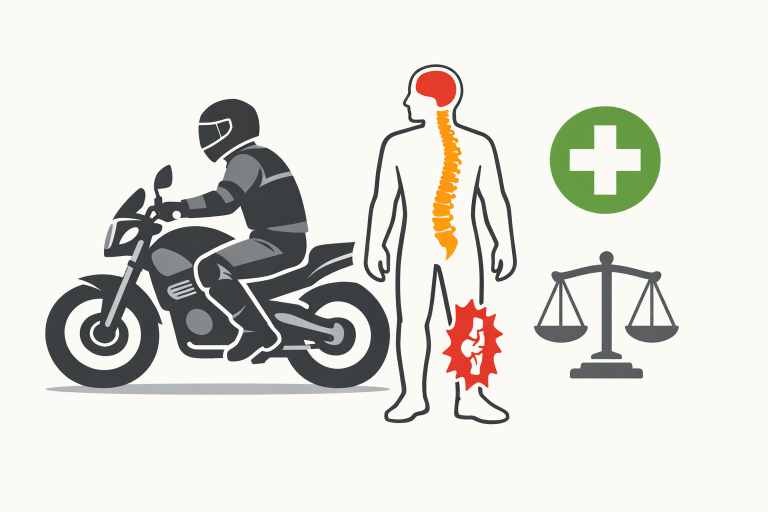
Orthopedic Injuries and Complex Fractures
Broken bones, shattered joints, and complex limb injuries are common in motorcycle crashes. Some fractures heal with standard treatment, but others, such as compound or open fractures, may require multiple surgeries, metal implants, and persistent physical therapy. In severe cases, injuries can lead to chronic pain, restricted mobility, or even amputations, all resulting in lifelong dependency on medications, prosthetics, or other assistive technology. Ongoing physical therapy and reconstructive procedures add even more to the long-term financial strain for survivors.
Internal Organ Damage
Blunt force trauma in motorcycle accidents can cause injuries to the lungs, liver, kidneys, or gastrointestinal organs. Internal injuries often require emergency surgery and intensive postoperative care. Survivors may develop chronic conditions, such as kidney failure or gastrointestinal disorders, that demand frequent medical monitoring, dialysis, or recurring hospital admissions. Even after recovery, the risk of future complications remains high, contributing to ongoing health care expenses.
Psychological Trauma
Physical injuries are only part of the story for many motorcycle crash survivors. The psychological effects, including post-traumatic stress disorder (PTSD), anxiety, and depression, are common and can be as debilitating as physical trauma. Psychiatric care, medication, therapy, and support groups may remain necessary for years. Untreated trauma can have lasting impacts on both physical health and financial stability, making comprehensive mental health support critical to a full recovery.
The Scope of Long-Term Medical Costs
The financial aftermath of a serious motorcycle injury extends far beyond the first weeks or months. Surgeries, prescriptions, therapy, mobility aids, and home or vehicle modifications all contribute to the soaring costs. For many, there is also lost income, reduced earning capacity, and the unending expense of in-home care or assisted living. Tracking future medical needs and associated expenses is crucial when considering settlements or financial planning after a crash.
Managing the Financial Impact
Given the potential for lifelong expenses, accident victims and their families must seek expert financial and legal guidance immediately after an injury. Working with experienced legal professionals ensures all short- and long-term costs are taken into account when pursuing compensation or insurance benefits. Proactive steps can protect victims from financial ruin and help provide access to care and rehabilitation that maximizes their quality of life.
- Exploring Next-Generation Wellness Trends: A Beginner’s Guide to Advanced Health Peptides
- Comprehensive Approaches to Mental Health and Behavioral Support
- Accessible Home Modifications for Seniors and Handicapped Individuals
- 6 Bathroom Renovation Resources Spokane Homeowners Can Use for Safer, Easier-Care Spaces
- How R&D Center Helps People Find Personalized Drug Treatment in Philadelphia, Pennsylvania