

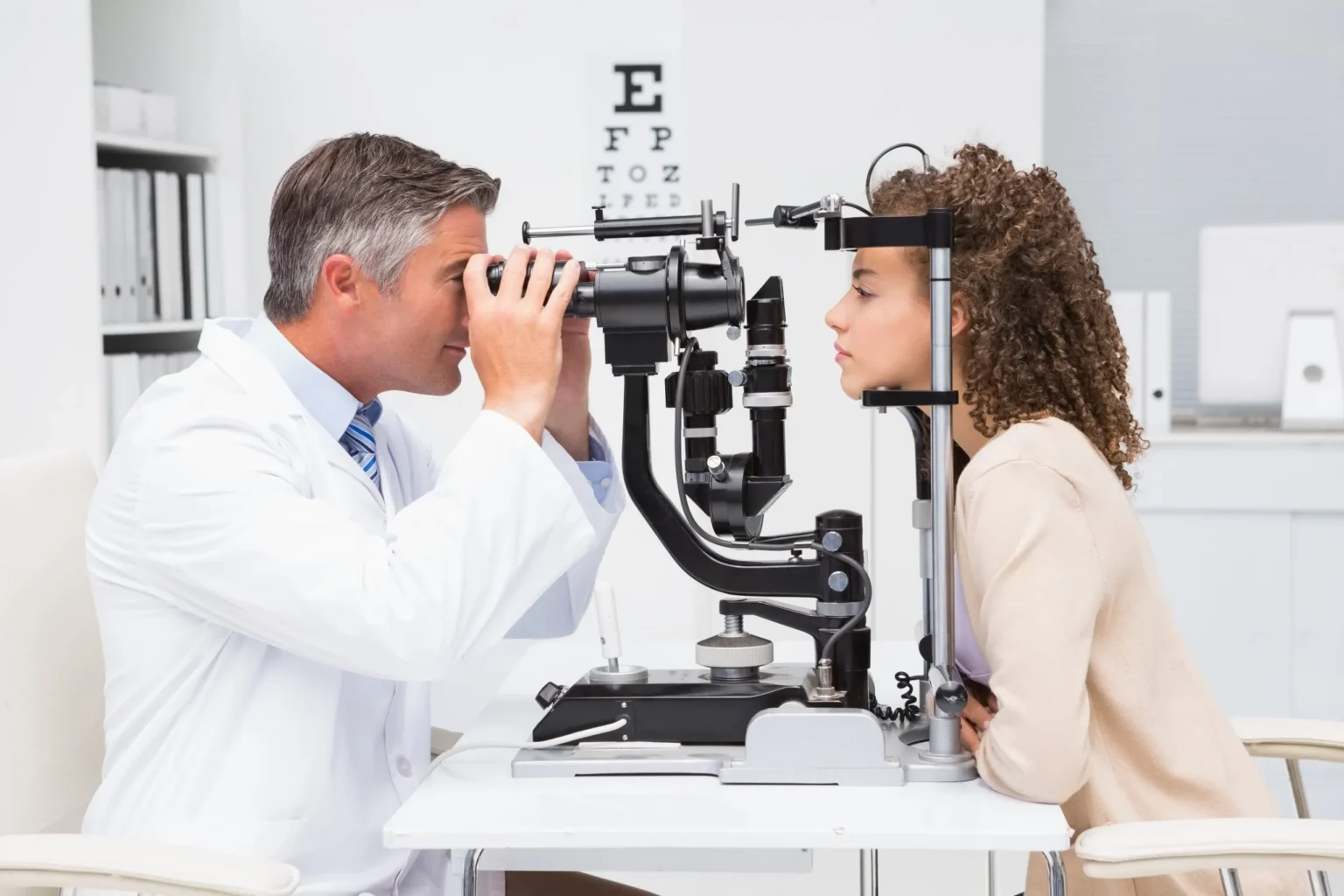
An optometrist plays a central role in maintaining long-term eye health through regular evaluations and the early detection of vision problems. These professionals assess your vision, monitor your eye structures, and guide you toward preventive care. Here is more information on the role of an optometrist in managing eye health:
What Does an Optometrist Do?
An optometrist is your first point of contact for most eye-related concerns, and they manage a wide range of tasks to keep your vision clear and healthy. A primary function of an eye doctor is to perform comprehensive eye exams. During these exams, they assess your visual acuity, check for refractive errors, and test how well your eyes work together.
Beyond prescribing and fitting glasses and contact lenses, an optometrist plays a fundamental role in preventive care. They screen for common eye diseases such as glaucoma, cataracts, and diabetic retinopathy. They also diagnose and treat common eye infections and conditions, such as dry eye syndrome and eye allergies, to provide relief and prevent complications.
Which Tools Do They Use?
To assess your eye health and vision accurately, an optometrist uses various specialized tools and diagnostic tests. Here are some standard equipment and procedures you may encounter during a comprehensive eye exam:
- Phoropter and Snellen Chart: You look through the phoropter at a Snellen eye chart, which displays letters of decreasing size, while the optometrist switches different lenses to find the clearest correction for your vision.
- Tonometer: This instrument measures the pressure inside your eye, known as intraocular pressure (IOP).
- Slit Lamp: A slit lamp is a high-magnification microscope with a bright light that allows the optometrist to examine the front structures of your eye.
- Retinal Camera: This specialized camera takes high-resolution images of the back of your eye, including the retina, optic nerve, and blood vessels.
The results of these tests guide your optometry doctor’s recommendations for treatment and management.
How Do They Manage Conditions?
If you are diagnosed with a chronic eye condition, your optometrist becomes a central figure in your long-term care team. Here is how an optometrist manages some common long-term eye conditions:
- Glaucoma Management: An optometrist prescribes medicated eye drops to lower eye pressure and performs regular visual field testing to monitor for changes in peripheral vision.
- Diabetic Retinopathy Monitoring: An optometrist will dilate your pupils to examine your retina for signs of diabetic retinopathy, and they will coordinate care with your primary physician.
- Dry Eye Syndrome Treatment: An optometrist can recommend specific artificial tears, prescribe medications to stimulate tear production, or perform in-office procedures to improve tear gland function.
- Macular Degeneration Oversight: An eye doctor monitors the condition’s progression through regular retinal exams and may recommend specific nutritional supplements to support retinal health.
Optometrists also educate patients about their condition so that they can be active participants in their own health management.
When Do They Refer You?
While an optometrist manages several eye conditions, there are times when a referral to another specialist is necessary. An eye doctor recognizes when a patient requires specialized medical or surgical treatment. They work as part of a larger healthcare network and will guide you to the right professional for your specific needs, so you receive the most effective care possible. For instance, if your optometrist detects advanced cataracts that significantly impair your vision, they will refer you to an ophthalmologist. An ophthalmologist can perform cataract surgery to replace the cloudy lens with an artificial one.
Visit an Optometrist Today
The role of an eye doctor is multifaceted and extends far beyond prescribing glasses. They are your primary eye doctor for comprehensive eye exams, preventive screenings, and the management of chronic conditions. An optometrist helps protect your vision and detect problems early through thorough evaluations and advanced diagnostic tools. Contact a qualified optometrist near you to schedule your visit today.