

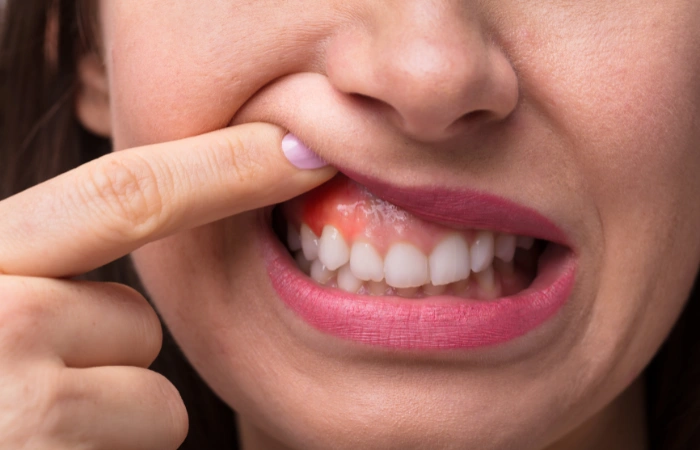
Gum disease is an oral health condition that begins with inflammation of the gums and progresses to serious infection and bone loss if left untreated. Understanding what causes periodontal disease and how to prevent it can help protect long-term dental health and reduce the risk of complications. Here’s a closer look at the common causes of periodontal disease and how to prevent it:
Understanding How Periodontal Disease Begins
Gum disease begins when bacteria accumulate along the gum line; this accumulation forms plaque, a sticky film that coats your teeth. When plaque isn’t removed through regular brushing and flossing, it hardens into tartar. Tartar buildup irritates the gums and creates an environment where bacteria thrive.
The earliest stage of gum disease is gingivitis. At this stage, the gums become swollen, tender, and may bleed during brushing or flossing. Gingivitis is reversible with improved oral hygiene, but if left untreated, it can progress to periodontitis. Periodontitis is a more serious infection that damages the soft tissue and bone supporting your teeth; it often leads to tooth loss and other complications.
Identifying Major Risk Factors
While poor oral hygiene is the primary cause of gum disease, several other factors can increase your risk. Here are some of them:
- Poor oral hygiene habits: Inconsistent brushing and flossing allow plaque to build up quickly.
- Smoking or tobacco use: Tobacco weakens your immune system and makes it harder for your gums to heal.
- Diabetes: High blood sugar levels may make gum infections more severe and harder to control.
- Hormonal changes: Pregnancy and menopause can make gums more sensitive to bacteria.
- Genetic predisposition: Some people are more susceptible to periodontal disease due to their genetics.
Understanding these risk factors helps you take preventive steps.
Building Daily Prevention Habits
Preventing gum disease starts with a consistent oral hygiene routine. These daily habits can help keep your gums healthy:
- Brush twice daily: Use a soft-bristled toothbrush and fluoride toothpaste to clean all tooth surfaces.
- Floss once per day: Flossing removes plaque and food particles from between teeth where your toothbrush can’t reach.
- Use an antimicrobial mouthwash: Rinsing with mouthwash can reduce bacteria in your mouth.
- Avoid tobacco products: Quitting smoking or chewing tobacco reduces your risk significantly.
- Stay hydrated: Drinking water helps wash away food particles and bacteria.
These habits, when practiced regularly, may prevent periodontal disease from developing in the first place.
Getting Help Early
Recognizing the early signs of gum disease allows you to seek treatment before it progresses. Swollen or puffy gums often indicate inflammation; healthy gums should be firm and pink, not red or tender. Bleeding when you brush or floss is not normal, even if you brush vigorously. Bad breath that persists after brushing may signal bacterial buildup. Receding gums make your teeth appear longer and can expose sensitive tooth roots.
Professional dental care plays a key role in prevention. Regular dental cleanings remove tartar that you can’t eliminate at home. During these visits, your dentist can spot early signs of periodontal disease, and they can provide treatment before it worsens. In advanced cases, surgical treatments may be needed to restore damaged tissue and bone.
Schedule Your Gum Disease Appointment
Understanding what causes gum disease and recognizing your risk factors can help you prevent or reverse periodontal disease. Daily habits like brushing, flossing, and eating well form the foundation of healthy gums. Regular dental visits also provide professional care that complements your home routine. If you notice any signs of periodontal disease, contact a qualified dentist near you to schedule your appointment today.