

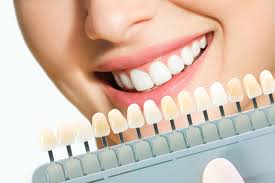
When you investigate cosmetic dentistry options, you might evaluate the specific function of dental veneers. These thin covers bond to the front of teeth, and they mask various aesthetic defects. Veneers are used to change the color, shape, size, or length of the natural tooth structure permanently. Here is more information about veneers and their benefits:
Ultra-thin Shells
A dentist permanently bonds the shell to the tooth, and the bond provides significant strength. This customized layer consists of extremely thin, medical-grade ceramic or resin composite materials. Since the procedure involves enamel removal, the alteration to your natural tooth is irreversible. The preparation phase requires the removal of a small amount of the tooth’s surface.
Multiple Materials
Porcelain veneers resist stains from coffee, tea, or smoking. While the laboratory takes time to create them, the final result mimics natural light reflection. Gum tissue may tolerate porcelain well, and this material offers a natural tooth appearance. Porcelain is chosen for its durability and resistance to chipping or breaking.
If cost is a primary factor, resin composite veneers offer a more affordable alternative. Dentists typically apply this material directly to the tooth in a single office visit. The dentist sculpts the resin on the tooth, and a special light hardens the material. Composite materials may require less removal of the natural tooth enamel compared to porcelain options.
You discuss your goals with the dentist, and they examine your teeth for suitability. X-rays help the professional determine the health of the surrounding bone and root structure. Before the laboratory fabricates the veneer, the dentist takes an impression of the prepared tooth. The lab technician uses this mold to construct a veneer that fits your mouth perfectly.
Covered Imperfections
Teeth discoloration occurs due to root canal treatment, stains from drugs, or large resin fillings. Because standard whitening treatments do not fix all stains, veneers provide a complete color change. The shell covers the visible surface completely, and it hides deep intrinsic stains effectively. Patients with worn-down teeth also benefit from the protective layer of a dental veneer.
Chips or breaks affect the tooth structure, but a veneer restores the original shape. Veneers also close spaces between teeth that have small gaps or uneven spacing issues. If teeth are misaligned or irregularly shaped, the shells create a uniform and straight look. This solution addresses multiple structural and aesthetic issues simultaneously without the need for orthodontics.
Durable Solution
While veneers last for many years, you must treat them with care to prevent damage. Good oral hygiene habits extend the lifespan of these restorations significantly. You need to brush and floss daily, and you must schedule regular professional cleanings. Follow these guidelines:
- Do not chew on hard objects like ice, pencils, or fingernails.
- Wear a mouthguard during sports or if you grind your teeth at night.
- Use a non-abrasive toothpaste to maintain the polish of the veneer surface.
Get Veneers From a Dentist
The entire veneer process typically takes three separate visits to the dental office. When you decide to proceed, the dentist creates a treatment plan tailored to your needs. The first visit involves a consultation, and the subsequent visits involve preparation and bonding. Contact a dental clinic today to schedule your consultation and discuss your options.
- Planning Chiropractic Visits Around Pain, Recovery, and Daily Life
- When Should You Speak to a Casselberry Car Accident Lawyer?
- How Corporate Lawyers Help Companies Manage Risk and Compliance
- Ken Raymie: Why a Healthy Work-Life Balance Matters for Today’s Workforce
- How to Buy Antique Furniture at Auction Without Overpaying