

Missing teeth can lead to various oral health complications, including bone loss and shifting of adjacent teeth. Dental implants are a standard of care for tooth replacement, and they function as artificial roots to support prosthetic teeth. Understanding the criteria for this procedure helps patients make informed decisions about their oral rehabilitation.
What Are Dental Implants?
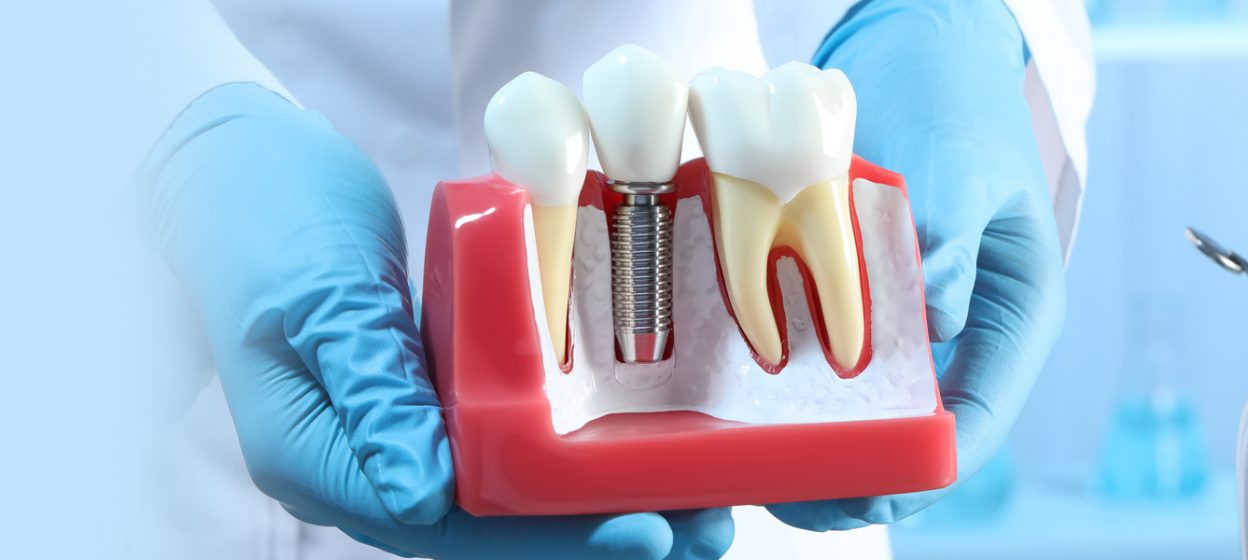
A dental implant system consists of three distinct components designed to replicate the anatomy of a natural tooth. The implant body is a screw-like post made of metal, and it is surgically inserted into the jawbone. This component acts as the anchor for the entire restoration.
The second component is the abutment, which connects the implant to the artificial tooth and protrudes through the gum line. The final part is the prosthesis, which is the visible crown, bridge, or denture. Dental laboratories fabricate this component to match the color and shape of the patient’s natural teeth, so the result appears seamless. Dental implants restore aesthetic appearance and functional chewing ability.
How Do They Work?
The success of dental implants relies on a biological phenomenon known as osseointegration. This process occurs when bone cells attach directly to the surface of the implant, and this creates a structural and functional connection between living bone and the load-bearing artificial root. Without this fusion, the implant would not remain stable under chewing pressure.
Once integrated, the implant transmits chewing forces to the surrounding jawbone. This stimulation mimics the action of natural tooth roots, and it helps preserve bone density that would otherwise deteriorate after tooth loss. This mechanism distinguishes implants from other replacement options.
What Does the Process Involve?
The process begins with a comprehensive evaluation involving X-rays to assess bone quality. The dentist determines the most suitable placement site, and they plan the surgical approach to avoid sensitive structures such as nerves or sinuses. This planning phase helps predict the outcome of the surgery.
During the surgical appointment, the dentist numbs the treatment area. They make an incision in the gum tissue to expose the bone, and they drill a hole to guide the post’s insertion. The gum is then sutured closed to protect the site during the initial healing period.
A recovery period spanning several months follows the surgery to allow for osseointegration. Patients typically return for abutment placement and final crown placement once the bone has healed, and the dentist verifies the fit and bite alignment. The total timeline varies depending on the individual healing rate and the complexity of the case.
Who Should Get Them?
A good candidate for dental implants is an adult with fully developed jawbones. They must have adequate bone volume to support the implant fixture, or they may require a bone grafting procedure to build up the site before placement. Good oral hygiene is necessary to maintain the health of the tissues surrounding the implant.
What Are the Benefits?
Dental implants do not slip or shift during speaking or eating, and this stability provides patients with greater comfort and functionality. This treatment option preserves the integrity of adjacent healthy teeth. Traditional bridges require reducing neighboring teeth to support the prosthesis, whereas implants stand independently without altering the surrounding tooth structure. Conserving natural tooth enamel may contribute to better long-term oral health.
Consult a Dentist Today
A professional consultation determines whether dental implants are the correct restorative solution. The dentist will conduct a physical examination, and they will review all diagnostic imaging to create a personalized treatment plan. This assessment identifies anatomical limitations and establishes a rehabilitation plan.
- 6 Bathroom Renovation Resources Spokane Homeowners Can Use for Safer, Easier-Care Spaces
- How R&D Center Helps People Find Personalized Drug Treatment in Philadelphia, Pennsylvania
- How Play Builds School Readiness for Preschoolers in Greensboro, North Carolina
- How to Choose the Right Way to Sell a House in Fayetteville, North Carolina
- Navigating Mental Health Resources and Therapy Options