

Maintaining optimal oral health is crucial at every stage of life, as it impacts not only your smile but also your overall well-being. Each age comes with specific dental needs and challenges, making personalized care essential for long-term oral health. Whether you’re caring for a teething infant or supporting a family member in their golden years, understanding these evolving needs is key to preventing dental problems. For those seeking specialized options, such as a sedation dentist, there are solutions that cater to comfort and individual needs.
By adapting oral care routines to meet the unique requirements of each age group, you lay the foundation for lasting dental health. Small adjustments in habits and daily routines can yield noticeable improvements, reducing the risk of cavities, gum disease, and more serious complications in the future. This guide provides clear, actionable advice tailored to every life stage, helping you maintain a radiant, healthy smile for decades.
From an infant’s first tooth to managing dentures or oral concerns in the senior years, awareness and diligence remain your best preventive tools. Encourage proactive care, embrace the latest recommendations, and prioritize regular dental checkups to address issues early. The following sections divide oral health strategies by age, followed by universal tips that everyone should incorporate.
Infancy and Toddlerhood
Oral health starts before the first tooth appears. Gently cleaning your baby’s gums with a soft, damp cloth after feedings helps keep harmful bacteria in check and helps your child get used to regular oral hygiene. When the first teeth erupt, switch to a small, soft-bristled toothbrush and a tiny smear of fluoride toothpaste. Supervise brushing until your child can handle it independently, typically around age six or seven. Avoid letting infants fall asleep with a bottle, except with water, as prolonged exposure to milk or juice can lead to early childhood cavities.
Scheduling your child’s first dental visit around their first birthday helps build comfort and familiarity with dental care environments. Early dental appointments also allow professionals to identify issues like tongue-tie or bottle decay and provide preventive guidance. Developing good habits now sets a foundation for lifelong dental health. For more detailed age-by-age advice, check the American Dental Association’s MouthHealthy resources.
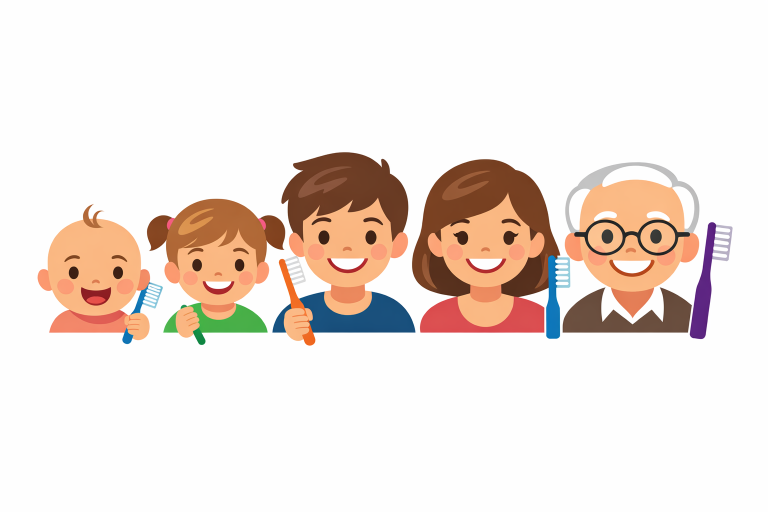
Childhood
During childhood, children gain greater independence in their daily routines, making it an ideal time to instill consistent oral hygiene habits. Encourage twice-daily brushing with fluoride toothpaste and help them master flossing once teeth begin to touch. Choose healthy snacks like fruits, raw vegetables, and cheese over sugary or starchy foods, which can promote tooth decay.
Regular dental checkups, typically every six months, remain critical. These visits allow for monitoring oral development, applying dental sealants, and early detection of orthodontic concerns. Your dentist may recommend fluoride treatments or professional cleanings for additional protection, particularly if your area’s water supply is not fluoridated.
Adolescence
The teenage years introduce new dental issues, from braces and aligners to more independent dietary decisions. Teens with orthodontic appliances must be especially diligent with brushing and flossing to prevent plaque buildup. Remind them to avoid chewy candies, gum, and hard snacks, as these can damage orthodontics and increase cavity risk.
In addition, reinforce the importance of limiting sugary drinks and maintaining regular dental checkups. As teens gain independence, they may skip oral hygiene routines, so regular family reminders are beneficial. Discuss the dangers of tobacco and vaping, which can stain teeth and increase the risk of gum disease and oral cancer. For extensive information on teen oral health, see the CDC’s oral health guide.
Adulthood
Adults should maintain the twice-daily brushing and daily flossing routine established earlier in life, but with added vigilance regarding lifestyle choices. Habits such as tobacco use, excess caffeine, and high sugar consumption can directly impact oral health, increasing the risk of periodontal disease and tooth loss. Managing stress is equally essential, as it can lead to problems such as teeth grinding or jaw pain.
Do not neglect regular dental appointments, as early intervention is crucial for preventing serious issues. Adults should also be proactive about discussing changes, such as dry mouth from medications or sensitivity, with their dentist. Maintaining a balanced diet rich in fruits, lean proteins, and dairy strengthens teeth and gums.
Senior Years
Aging brings distinct oral health considerations. Many seniors experience dry mouth due to prescription medications, increasing their vulnerability to cavities. Staying hydrated and using saliva substitutes can alleviate this complaint. Caring for dentures or partials requires daily cleaning and soaking, while maintaining gum health is important, whether the teeth are natural or prosthetic.
Dental visits remain vital, as older adults are at greater risk for oral cancer and gum disease. Communicate any difficulties with chewing, swallowing, or mouth pain with your dental professional. These symptoms may indicate health problems requiring prompt attention. Seniors should also be mindful of diet, focusing on foods that are easy to chew and provide essential nutrients for oral tissue repair and maintenance.
General Oral Health Tips
- Brush teeth at least twice a day with fluoride toothpaste for two minutes each session.
- Floss daily to remove plaque and debris between teeth where toothbrushes cannot reach.
- Limit high-sugar foods and drinks, and rinse your mouth after eating or drinking them.
- Avoid tobacco products, including cigarettes, chewing tobacco, and vaping, to reduce the risks of gum disease and oral cancer.
- Visit your dentist regularly for checkups, cleaning, and preventive care.
- Stay hydrated to support saliva production and naturally cleanse your mouth.
Conclusion
Oral health is a lifelong endeavor, evolving as you grow. Prioritizing good habits and routine dental care at every age is the best strategy for enjoying a healthy, beautiful smile. With consistent effort and attention to each life stage’s unique needs, you can significantly reduce dental problems and boost your overall quality of life.
- 6 Bathroom Renovation Resources Spokane Homeowners Can Use for Safer, Easier-Care Spaces
- How R&D Center Helps People Find Personalized Drug Treatment in Philadelphia, Pennsylvania
- How Play Builds School Readiness for Preschoolers in Greensboro, North Carolina
- How to Choose the Right Way to Sell a House in Fayetteville, North Carolina
- Navigating Mental Health Resources and Therapy Options