

Key Takeaways
- Choose a fence based on its primary job, whether that is privacy, pet safety, security, livestock containment, or curb appeal.
- Material, style, gates, soil, drainage, and maintenance needs all affect long-term value.
- Confirm property lines, easements, local rules, and access needs before installation begins.
- A detailed plan and written estimate can prevent avoidable changes, delays, and surprise costs.
A new fence can make a property safer, more private, easier to use, and more attractive. The best choice is not always the tallest fence or the least expensive material. It is the system that fits how the property is used every day, withstands local conditions, and remains manageable over time. For property owners weighing local options, fence installation Caledonia from Alto Fencing Services covers residential, commercial, and agricultural fencing solutions for Caledonia properties. As a family-owned West Michigan fencing contractor serving communities including Caledonia, Middleville, Grand Rapids, Kentwood, and Wyoming, Alto Fencing Services brings practical experience with privacy fences, chain link, vinyl, ornamental metal, gates, and custom layouts.
Start With The Property’s Main Purpose
Begin with the problem the fence needs to solve. A homeowner with an energetic dog may prioritize a secure enclosure and a dependable self-closing gate. A business with outdoor equipment may need visibility, controlled access, and stronger security features. A rural property may need animal-specific fencing that follows uneven ground.
Rank your goals before selecting colors, post caps, or decorative details:
- Privacy from neighboring homes, roads, or gathering areas
- A safe area for children and pets
- Security for equipment, inventory, or job sites
- Livestock containment or wildlife deterrence
- Boundary definition and curb appeal
- Reduced exposure to traffic or neighborhood noise
Compare Common Fence Materials
Wood Fencing
Wood offers a classic, adaptable look for privacy, picket, shadowbox, and post-and-rail designs. It is a strong option for customized layouts, but it needs periodic inspection and protection from moisture, fading, and decay.
Vinyl Fencing
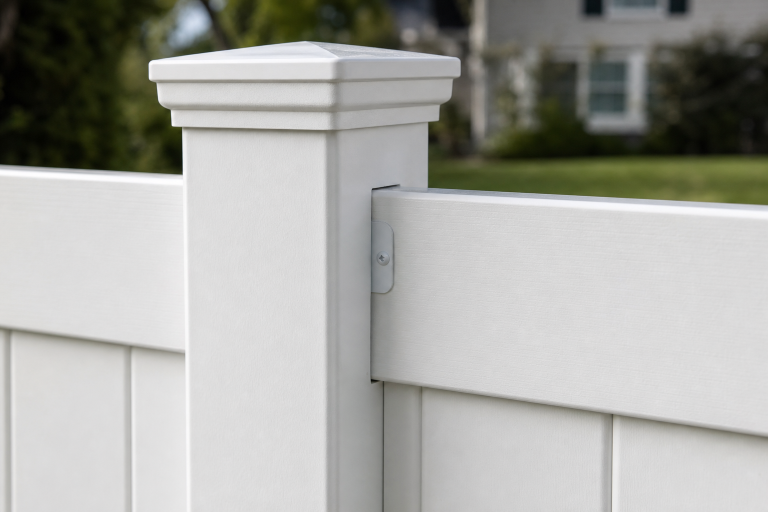
Vinyl is popular for homeowners who want a clean appearance with less routine maintenance. It works well for privacy and picket styles, although proper post support and installation matter on windy sites or uneven terrain.
Chain Link Fencing
Chain link provides practical containment, visibility, and value. It can suit backyards, dog runs, commercial lots, utilities, and temporary uses. Coatings, privacy slats, and security additions can change its appearance and performance.
Ornamental Metal And Agricultural Fencing
Ornamental metal creates a polished boundary around front yards, pools, entrances, and commercial properties while keeping views open. Agricultural and electric fencing should be selected based on the livestock type, terrain, grounding needs, and daily access requirements.
Match The Fence Style To The Setting
Style affects both function and how enclosed a space feels. Solid privacy fencing is useful around backyards, patios, pools, and busy roads. Picket and ornamental styles define a front yard without closing it off. Post-and-rail fencing fits larger lots, farms, and long driveways, though mesh may be necessary for small animals. Shadowbox fences use alternating boards to create a finished appearance on both sides while allowing limited airflow. A solid sound-barrier fence can soften some traffic noise when it is densely constructed, has tight joints, and has minimal gaps near the ground. It will not create silence, but placement and height can improve results.
Build A Realistic Budget
Total cost involves much more than the price per foot of material. Account for:
- Total linear footage, height, material, finish, and post style
- Pedestrian gates, drive gates, latches, locks, and automation
- Slopes, roots, rocks, brush, wet soil, and old fence removal
- Permits, surveys, HOA approvals, and utility locating
- Decorative details, special hardware, and site restoration
Request a written estimate that identifies labor, materials, gates, removal, site work, and potential change-order conditions. Compare the expected upkeep and the starting price.
Check Property Lines, Access, And Local Rules
Never assume an existing fence marks the true boundary. Review a survey, closing documents, and visible markers before finalizing the layout. Check local height limits, setbacks, street-corner sightline rules, drainage routes, HOA restrictions, and utility easements. Neighbor conversations can prevent confusion, but they do not replace a clear plan or local requirements. Property owners can review Michigan’s fence statute for background on responsibility for construction and certain shared animal-containment uses. Local ordinances may impose additional rules.
Plan Gates And Daily Access
Gates are working parts of the fence system, not an afterthought. Decide whether each opening is for people, lawn equipment, trailers, deliveries, or emergency access. Consider the required width, swing direction, slope, snow accumulation, landscaping, latch location, and whether a sliding or automated gate makes more sense.
Account For Michigan Weather And Soil
Michigan freeze-thaw cycles, rain, wind, snow, and seasonal ground movement can affect post stability and gate alignment. Good planning includes suitable post depth, drainage review, reinforced gate posts, durable outdoor hardware, and a layout that racks or steps correctly on slopes. Waterfront, wetland, and shoreline sites deserve added attention. Michigan’s land and water interface permitting guidance identifies fences among projects that may need review near wetlands, floodplains, lakes, streams, and shorelines.
Common Fence Planning Questions
What Fence Material Is Best For A Michigan Home?
Wood suits customized privacy and natural character. Vinyl fits low-maintenance goals. Chain link works well for affordable containment. Ornamental metal is a durable choice when visibility and appearance matter.
How Tall Should A Privacy Fence Be?
The right height depends on sightlines, local regulations, terrain, nearby roads, and the level of privacy needed. Verify municipal and HOA limits before ordering materials.
How Long Does Installation Take?
Timing varies by project length, material, weather, removal work, terrain, gates, and permitting. A small, straightforward backyard may take much less time than a large property with slopes or multiple access points.
Final Planning Checklist
- Write down the fence’s main purpose.
- Measure the planned fence line and identify every gate.
- Confirm boundaries, easements, drainage, and utilities.
- Review local and HOA rules before committing to a design.
- Compare suitable materials by maintenance, function, and total cost.
- Request detailed written estimates and confirm the final layout.
A well-chosen fence should support daily life for years, whether that means a quieter backyard, a safer pet area, a clearer boundary, a stronger business perimeter, or better livestock control. Start with purpose, plan carefully for the site, and choose a system built for how the property actually works.
Conclusion
The right fence matches the property’s purpose, conditions, and long-term needs. By considering materials, gates, drainage, soil, maintenance, property lines, and local requirements before installation, Caledonia property owners can avoid unnecessary costs and create a fence that provides lasting privacy, security, safety, and curb appeal. A detailed plan and written estimate also help ensure the finished fence works well for everyday use and future property changes.
- How To Choose A Fence That Fits Your Property, Budget, And Daily Life
- Selling a Bloomington, Minnesota Home Quickly: A Clear Look at Speed, Costs, Risks, and Seller Options
- How Digital Mental Health Tools Fit Into an Anxiety Care Plan in Bergen County, New Jersey
- Exploring Advanced Cosmetic and Aesthetic Procedures
- 5 Bathroom Remodeling Partners Atlantic Beach Homeowners Can Use for a Safer, Smarter Remodel