

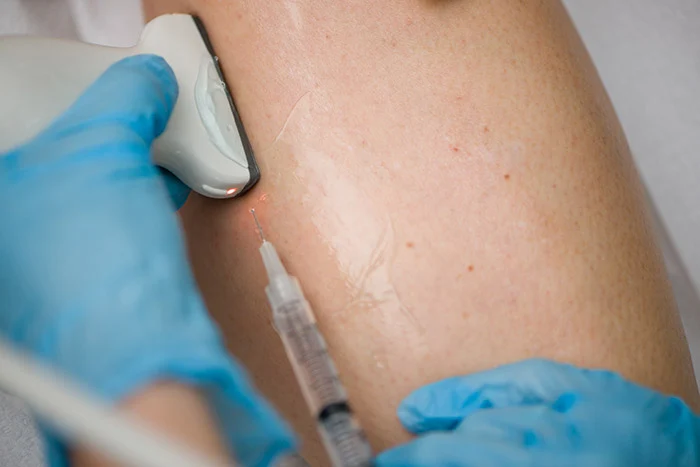
Veins work continuously beneath the surface, and when circulation is compromised, it can slow healing and cause visible changes. Good blood flow delivers oxygen and nutrients that are key to wound repair. Routine visits to a vein and wound care clinic support this process. Regular check-ups allow specialists to detect subtle issues early, preventing complications and promoting long-term comfort. By monitoring vein health, you take a practical, proactive step toward maintaining overall wellness and improving your body’s natural healing abilities.
Recognizing Subtle Changes Early
Vein health issues often develop quietly and gradually. You may find your legs feeling heavy after a long day of standing or notice a web of spider veins behind your knee. These changes sometimes signal that your veins are working harder than necessary. Paying attention to these key signals is helpful when you contemplate your overall well-being, especially if you are also managing wound care. Healthy veins are fundamental for healing, and recognizing subtle changes early allows you to support recovery and prevent complications.
A routine check-up offers a key baseline for your vein health and wound healing process. Specialists at a vein clinic can detect subtle changes in blood flow or valve function. Identifying these shifts early is fundamental; it allows you to make helpful, lifestyle-based adjustments rather than solely relying on complex treatments later.
Supporting an Active Lifestyle
Staying active supports your overall well-being, whether you spend afternoons gardening, walking your dog, or playing with energetic grandchildren. Healthy circulation is a fundamental part of movement and healing. When vein health becomes compromised, you may notice your legs feel tired or achy. These changes can make previously preferred exercises seem like a chore.
Regular visits to a vein clinic are beneficial for supporting both your legs and your lifestyle. Specialists offer guidance on maintaining healthy circulation, and they provide practical strategies for daily care and wound healing. Their advice may include:
- Using compression garments properly
- Following tailored exercise routines
- Practicing daily habits that promote blood flow
- Applying wound dressings correctly
Preventing Future Complications
Proactive care prevents complications, and addressing vein issues early stops small problems from worsening and affecting mobility or healing. Issues like varicose veins can progress and cause discomfort or skin changes. Early intervention is key to overall wound care and quality of life. Routine screenings also allow specialists to monitor vein health and look for issues such as vascular disease and diabetes-related ulcers.
Receiving Personalized Education and Advice
Genetics, career paths, and hobbies all play a role in your vascular health. During a routine check-up, you can gain helpful, personalized advice designed for your specific needs and daily realities. Pregnancy places extra demand on the circulatory system. A specialist can offer safe strategies to manage leg comfort during this time. If you sit at a desk all day, ask a specialist for under-desk exercises to keep blood pumping. If you fly often, you might receive advice on travel-specific compression wear. This tailored guidance fits into your daily routine; it makes it easier to maintain healthy habits that support strong veins and effective wound care.
Schedule Vein Check-Ups and Wound Care
Monitoring veins can prevent swelling, pain, and more serious vascular problems. Regular vein check-ups help maintain leg and vascular health, and they create a strong foundation for effective wound care. They can address a wide range of concerns, from chronic venous insufficiency to nonhealing ulcers. Contact a vein and wound care clinic today to learn more about their services.
- The Connection Between Periodontal Treatments and Overall Health
- Solo Travel by Caravan: Freedom, Safety & Insurance Essentials
- Seasonal Motorhome Adventures: Where to Go in Each Season
- How Exploring New Places Helps You Break Old Habits
- Love, Travel, and Memories: Building a Life Together One Trip at a Time