

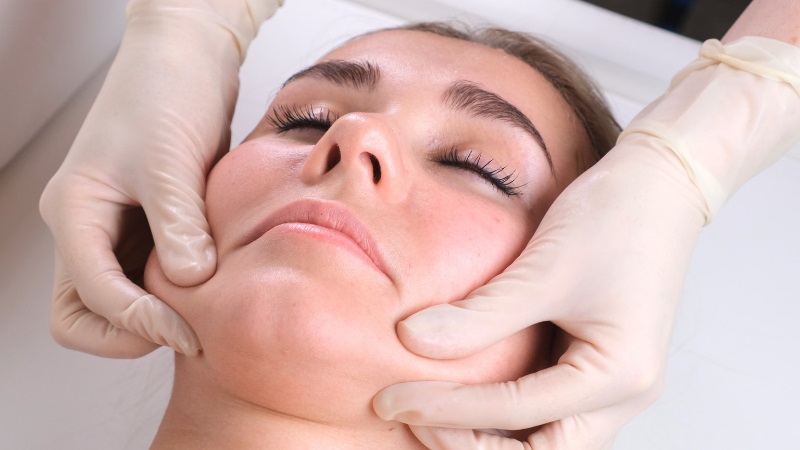
Chemical peels are used in dermatology to address various skin concerns, from aging to acne. These treatments involve applying a chemical solution to the skin, which causes the outer layers to exfoliate and eventually peel off. This process reveals smoother, more even-toned skin underneath, and understanding the underlying science helps patients evaluate this option.
What Are Chemical Peels?
Chemical peels are dermatological treatments that utilize specific chemical agents to produce a controlled injury to the skin. These agents are categorized by depth of penetration: superficial, medium, or deep. The selection of the peeling agent is determined by the patient’s skin type and the severity of the condition being treated.
How Do They Work?
Chemical peels work by breaking down and removing dead skin cells. When the chemical solution is applied, it dissolves the connections between skin cells in the top layer of skin. This causes dead skin to peel away, and it encourages the growth of healthy skin cells.
Controlled injury also triggers a healing response in the deeper layers of the skin. This response stimulates the production of collagen and elastin, which are proteins that keep the skin firm and elastic. The creation of new collagen and elastin helps to improve the skin’s texture and firmness.
What Does the Process Involve?
The process begins with a thorough cleansing of the skin to remove oils and impurities that hinder the acid’s penetration. A prep solution may be applied to degrease the skin and enable uniform absorption of the chemical agent. The practitioner then applies the chemical solution.
During the application, patients may experience warmth or stinging, which typically subsides as the solution neutralizes or is removed. The duration of contact with the skin varies depending on the type of peel and the desired depth of penetration. After the appropriate time has elapsed, the skin is cleansed again, and a soothing ointment may be applied to protect the treated area.
Recovery time correlates with the depth of the peel administered. Superficial peels may result in mild redness and minimal scaling for a few days, allowing patients to return to normal activities quickly. Deeper peels require a longer recovery period, but they offer more dramatic results.
What Are the Benefits?
The primary benefit of chemical peels is improved skin texture and tone through the removal of damaged outer layers. Patients may observe a reduction in the appearance of fine lines, wrinkles, and hyperpigmentation caused by sun damage or hormonal changes. Stimulating collagen production contributes to a firmer, more youthful appearance.
Chemical peels are effective in the management of acne and acne scarring. By unclogging pores and reducing inflammation, these treatments can decrease the frequency of breakouts and smooth the skin’s surface. Regular treatments can maintain these results, and they contribute to long-term skin health.
Learn More From a Specialist
Chemical peels offer a scientifically proven method for skin rejuvenation and the treatment of various dermatological conditions. The process involves the precise application of chemical agents to induce exfoliation and stimulate natural healing processes. Understanding the different types of peels and their specific mechanisms helps patients make informed decisions about their skincare.
Consulting with a skincare specialist helps determine the most appropriate treatment plan for individual needs. A professional assessment makes sure that the selected peel aligns with the patient’s skin type and goals. Contact a clinic today to schedule a consultation and discuss potential treatment options.
- Finding the Right Mental Health Counseling and Therapy
- Planning Chiropractic Visits Around Pain, Recovery, and Daily Life
- When Should You Speak to a Casselberry Car Accident Lawyer?
- How Corporate Lawyers Help Companies Manage Risk and Compliance
- Ken Raymie: Why a Healthy Work-Life Balance Matters for Today’s Workforce