

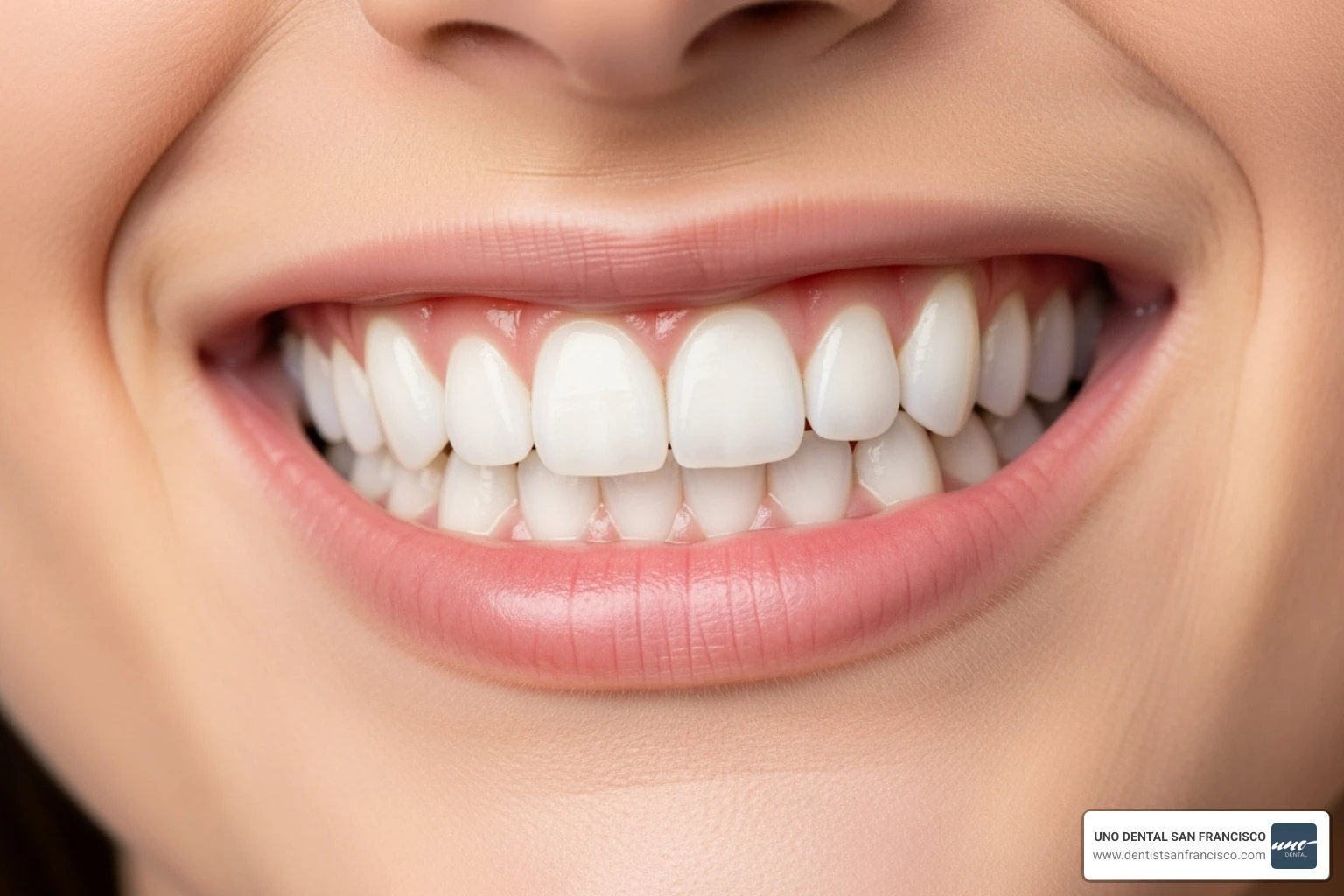
If you have sensitive teeth, teeth whitening should be approached with caution. The wrong whitening method may leave you with more discomfort than results. Understanding how each whitening method works and how to match the right approach to your sensitivity level can help you whiten safely and comfortably. Here are practical tips for choosing the right dental whitening option for sensitive teeth:
Check Your Sensitivity Level
Before selecting a whitening treatment, you should accurately assess your current level of tooth sensitivity. Sensitivity often stems from exposed dentin, worn enamel, or gum recession, and introducing whitening agents to these areas can exacerbate the issue. You should determine whether your sensitivity is a daily occurrence or triggered only by specific stimuli.
If you experience hypersensitivity, professional guidance is required to determine if you are a suitable candidate for teeth whitening procedures. Some patients with severe sensitivity, gum disease, or dental decay may need to address these underlying oral health issues before proceeding. A dentist can evaluate the root cause of your discomfort and recommend a preliminary treatment plan to strengthen your enamel.
Choose a Method
Selecting a method that matches your tolerance level is a key factor in a successful outcome. Professional whitening generally offers two primary avenues: in-office treatments and custom take-home trays. Each option presents distinct benefits depending on how your teeth react to bleaching agents.
In-office teeth whitening is often the safest option for patients with sensitivity, as the procedure is performed under strict professional supervision. During this appointment, the dentist carefully applies a protective barrier to the gums before applying the whitening agent. This fundamental step protects soft tissues from irritation, and the dentist can adjust the gel’s concentration based on your comfort level.
Alternatively, custom take-home trays offer a controlled and gradual approach to dental whitening. A dentist takes impressions of your teeth to create trays that fit perfectly, preventing the gel from leaking onto your gums. This method allows you to whiten your teeth at a slower pace in the privacy of your home.
Read Labels Carefully
If you want to use over-the-counter products, you must scrutinize ingredient labels carefully. The active ingredient in most whitening products is hydrogen peroxide or carbamide peroxide. Higher concentrations of these agents usually equate to higher sensitivity risks. Look for products with lower peroxide percentages if you are prone to dental pain. Many modern whitening formulations now include desensitizing agents to mitigate discomfort. Potassium nitrate and fluoride are common supplements that help block pain signals to the nerve and strengthen the enamel.
Build a Gentle Routine
Establishing a routine that prioritizes enamel health is fundamental to maintaining comfort while improving your teeth’s shade. The following steps can minimize irritation during your treatment cycle:
- Switch to a desensitizing toothpaste: Begin using a toothpaste containing potassium nitrate two weeks before starting your whitening treatment to build a protective barrier.
- Follow professional instructions specifically: Make sure you adhere strictly to the recommended duration and frequency to prevent overexposure.
- Avoid extreme temperatures: During the weeks you are whitening, try to avoid extremely hot or cold foods and beverages.
- Incorporate rest days: If you notice sensitivity spiking, skip a day or two between treatments to allow your teeth time to recover and rehydrate.
Integrating these protective measures into your daily regimen helps you navigate the whitening process safely.
Schedule Your Teeth Whitening Appointment
Professional teeth whitening remains the most efficient way to brighten a smile, especially when overseen by a qualified dentist. To promote a safe and effective teeth whitening process, it is key to adopt protective measures that minimize potential sensitivity and maintain enamel integrity. Contact a qualified family dentist near you to schedule your whitening treatment appointment.